Telephony is the backbone of every business—whether it’s a small office with 10 employees or a multi-branch enterprise serving thousands of customers. But in today’s digital-first world, businesses are forced to ask an important question:
Should we continue using our traditional PBX system, or is it time to upgrade to an IP PBX system?
If you’re facing frequent breakdowns, high call costs, limited scalability, or outdated hardware, the answer is simple: It’s time to make the switch.
In this in-depth guide, you’ll learn the key differences, advantages, cost savings, installation phases, pain points of old PBX systems, and why thousands of businesses in Chennai and Coimbatore are moving toward modern IP EPABX solutions.
We’ll also include internal links to our helpful resources such as:
- Complete Guide to IP EPABX Systems in Chennai
- What Is an IP EPABX System? A Beginner’s Guide
- IP PBX Maintenance Guide
- Securing IP Telephony & Preventing Toll Fraud
Let’s dive in.
Understanding the Core Difference Between IP PBX and Traditional PBX
How Traditional PBX Works
Traditional PBX (Private Branch Exchange) uses analog phone lines, copper wiring, and dedicated hardware to route internal and external calls. It is hardware-dependent and requires frequent maintenance.
Limitations include:
- Expensive installation
- No remote calling features
- Poor scalability
- High AMC and repair costs
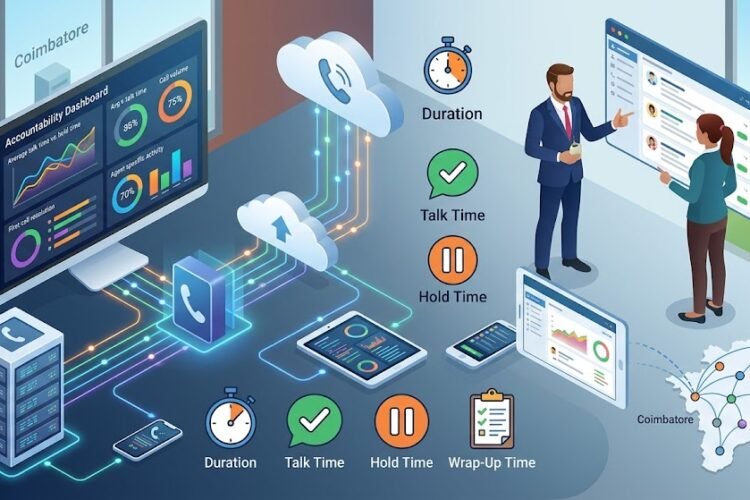
- Limited call analytics
Traditional PBX systems were once powerful—but they are no longer suitable for modern digital communication.
How IP PBX Works
IP PBX (Internet Protocol PBX) uses the internet instead of analog lines. Calls are routed through broadband using VoIP technology. It supports:
- IP phones
- Softphones
- Mobile apps
- Video calls
- Multi-location integration
For a deeper understanding, read our article:
👉 What is an IP EPABX System & How It Works
Pain Points With Traditional PBX
Businesses sticking to old PBX systems face major challenges:
- High call costs, especially STD/ISD
- Difficulty in expanding extensions
- Frequent hardware failures
- No call logs or reporting
- No support for remote teams
- Vulnerable to PBX toll fraud (learn more: Prevent PBX Hacking)
Why Businesses Are Switching to IP PBX
Modern IP-based systems offer:
- Cost-efficient calling
- Seamless scalability
- Cloud backup
- Mobility features
- Better call quality
- Easy integration with CRM, ERP, and call center software
Benefits of Switching to IP PBX
Drastic Reduction in Communication Costs
IP PBX systems reduce:
- STD/ISD charges
- Inter-branch calling costs
- Maintenance expenses
Companies using our IP EPABX solutions have reduced call costs by up to 40%.
See example:
👉 How HiTech Solutions Reduced Communication Costs by 40%
Better Voice Quality With HD Codec Support
IP PBX supports HD audio codecs such as G.722, providing crisp and clear communication—important for customer support and sales teams.
Supports Remote & Hybrid Work
With mobile apps and softphones, employees can take office calls from:
- Home
- Field
- Outstations
- Other branches
This mobility is impossible with traditional hardware-based PBX systems.
Easy Scalability
Need 10 more extensions? Just add them via software.
No wiring. No new PBX box. No downtime.
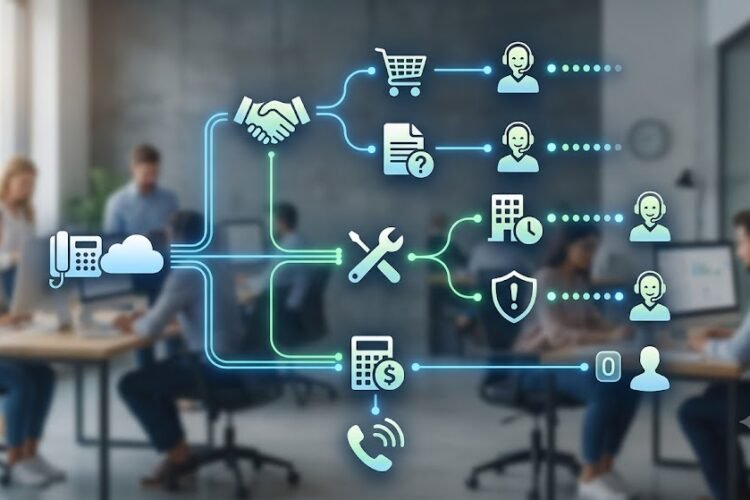
Advanced Call Handling Features
IP PBX includes features like:
- IVR menus
- ACD (Automatic Call Distribution)
- Call conferencing
- Call forwarding
- Voicemail to email
- Call recording
To understand IVR and ACD more deeply, check out:
👉 ACD vs IVR Explained
Key Comparison: IP PBX vs Traditional PBX
Feature Comparison Table
| Feature | Traditional PBX | IP PBX |
|---|---|---|
| Technology | Analog | Internet-based |
| Installation Cost | High | Low |
| Scalability | Difficult | Easy |
| Remote Access | Not available | Full remote access |
| Call Quality | Good | HD quality |
| Extensions | Limited | Unlimited |
| Maintenance | High | Very low |
| Integrations | Minimal | CRM, ERP, Softphone |
| Safety | Vulnerable | Secure with encryption |
Cost Comparison Breakdown
Traditional PBX:
- Analog line rental
- Maintenance cost
- Hardware repairs
- Limited features
IP PBX:
- Free inter-branch calling
- Zero wiring maintenance
- Cloud backup available
- VoIP calling at lower rates
For detailed breakdowns, read:
👉 Call Center Cost Comparison 2025
EPABX Installation Process: How Many Phases?
Phase 1: Infrastructure Survey
This includes:
- Network assessment
- Location planning
- Extension mapping
- Power backup evaluation
More information here:
👉 Step-by-Step Setting Up an IP EPABX System
Phase 2: Hardware Installation
Consists of:
- IP PBX box setup
- POE switch installation
- IP phone configuration
- Gateway installation (if required)
Phase 3: Software Configuration
Your system is configured for:
- IVR
- Call routing
- Extension numbering
- Voicemail
- Call groups
Learn more:
👉 IP EPABX Lifecycle Management
Phase 4: Testing and Go-Live
This includes:
- Test calls
- Failover testing
- Backup configuration
- User training
Security Risks: Traditional PBX vs IP PBX
PBX Toll Fraud & Unauthorized Access
Traditional PBX systems are prone to:
- Dial-out fraud
- Unauthorized trunk access
- International call hacking
IP PBX, however, supports:
- Encryption
- Firewall protection
- SIP authentication
- Intrusion alerts
Learn how to secure your system:
👉 Securing IP Telephony from Toll Fraud
Why Chennai & Coimbatore Businesses Are Upgrading Fast
Growing Need for Unified Communication
Modern businesses demand:
- Voice
- Video
- Chat
- Data sharing
- Integration
All in one system.
Support for Cloud Telephony & WebRTC
With the rise of WebRTC (read updates:
👉 Cloud Telephony 2025 Trends),
IP PBX is becoming the backbone of modern communication.
Industry Adoption & Future-Proofing
Sectors rapidly shifting to IP PBX:
- Hospitals
- Colleges
- Hotels
- Manufacturing plants
- Corporate offices
- Call centers
For example:
👉 IP Speakers in Manufacturing Plants
Which System Should You Choose?
When to Stick to Traditional PBX
Only if:
- Your business has less than 10 extensions
- No remote workers
- No need for expansion
- You only need basic calling
When to Choose IP PBX
Ideal for businesses that want:
- Cost savings
- Remote flexibility
- Better customer support
- More extensions
- Future-ready technology
Check:
👉 Complete Guide to IP EPABX in Chennai
FAQs About IP PBX vs Traditional PBX
1. Is IP PBX expensive to install?
No. It is cheaper than traditional PBX because it requires less hardware and wiring.
2. Can I use my existing analog phones?
Yes. With FXS gateways, you can integrate old phones into a new IP PBX system.
3. Is IP PBX secure?
Yes. With encryption, SIP authentication, and firewall policies, IP PBX is safer.
4. Does IP PBX work without internet?
Internal calls work via local network (LAN), but external VoIP calls require internet.
5. How many extensions can IP PBX support?
Unlimited—based on server capacity.
6. What is the biggest benefit of IP PBX?
Mobility, scalability, and huge cost savings.
Final Thoughts: Make the Smart Upgrade Today
The comparison is clear:
Traditional PBX = Expensive + Outdated + Limited
IP PBX = Modern + Scalable + Cost-Effective
If your business is growing—or planning to grow—IP PBX is the only logical choice.
To explore installation or support options, check out more resources: