When your business phone system crashes during peak hours, or when you’re expanding your office and need reliable communication infrastructure, one question dominates your thoughts: “Where can I find a trustworthy EPABX service provider near me?” This isn’t just about finding any technician—it’s about partnering with experts who understand your business communication needs and can deliver solutions that actually work.
Let me share something that might sound familiar. Last month, a manufacturing company in Chennai called us in panic mode. Their five-year-old EPABX system had failed completely, leaving 50 employees without internal communication during a critical production deadline. They’d been working with a “budget-friendly” service provider who promised the world but disappeared when things went wrong. This scenario plays out more often than you’d think, and it highlights why choosing the right EPABX service provider matters tremendously.
Why Your Choice of EPABX Service Provider Can Make or Break Your Business Communication
Your phone system isn’t just about making calls—it’s the nervous system of your business operations. When customers can’t reach you, when internal teams can’t coordinate, when call quality degrades during important client conversations, you’re not just facing technical issues. You’re watching revenue walk out the door while your reputation takes hits you might not recover from.
The challenge? The EPABX service market is crowded with providers ranging from solo technicians operating from their garages to established companies with decades of experience. Some specialize in specific brands, others claim to handle everything. Some offer lightning-fast response times but charge premium rates, while others seem affordable until you read the fine print about “after-hours charges” and “parts markup.”
The Real Cost of Choosing the Wrong Service Provider
Before we dive into finding the right provider, let’s talk about what goes wrong when you make the wrong choice. Understanding these pitfalls helps you ask better questions and spot red flags early.
Hidden Costs That Blindside Businesses
Budget quotes that seem attractive often exclude critical services. That ₹5,000 annual maintenance contract might not cover emergency callouts, replacement parts, or software updates. One retail chain we worked with discovered their “comprehensive” maintenance package didn’t include IP PBX maintenance for their newer systems—costing them an unexpected ₹80,000 when their hybrid setup needed urgent attention.
Downtime That Drains Productivity
When your service provider takes 48 hours to respond to a critical issue, you’re not just inconvenienced—you’re hemorrhaging money. Calculate this: if your 20-person sales team loses even four hours of calling time due to system failure, and each person generates ₹10,000 daily revenue, that’s ₹40,000 gone. For a call center, the numbers multiply exponentially. Understanding what is an IP EPABX system helps you appreciate why reliable service matters.
Security Vulnerabilities You Don’t See Coming
Here’s something that keeps business owners up at night: PBX hacking and toll fraud. Inexperienced service providers might install your system without proper security configurations, leaving backdoors open for hackers to make international calls on your dime. We’ve seen companies receive phone bills exceeding ₹2 lakhs from a single weekend of unauthorized access.
What Separates Outstanding EPABX Service Providers from the Rest
After working in business communications for years and seeing hundreds of service interactions, certain patterns emerge. The best providers share specific characteristics that go beyond technical competence.
Technical Expertise Across Multiple Platforms
Your ideal service provider shouldn’t just know one brand. Whether you’re running a Matrix EPABX system, NEC solutions, or considering cloud-based IP PBX systems, they should demonstrate genuine expertise. Ask them about integration challenges between legacy systems and modern IP telephony—their answer reveals volumes about their actual experience.
Proactive Maintenance Philosophy
Reactive service providers wait for things to break. Proactive ones prevent failures before they happen. They’ll schedule regular health checks, monitor your system remotely, update firmware proactively, and alert you to potential issues before they impact operations. When evaluating providers, ask about their approach to EPABX security and maintenance—this conversation separates the professionals from the pretenders.
Transparent Communication and Documentation
Ever worked with a technician who fixes something but leaves you clueless about what went wrong or how to prevent it recurring? Frustrating, right? Quality service providers document everything—issues identified, actions taken, parts replaced, configuration changes made. They explain problems in language you understand, not technical jargon designed to mystify.
The Essential Questions to Ask Before Hiring an EPABX Service Provider
Walking into a meeting with potential service providers armed with the right questions changes the entire dynamic. Instead of accepting whatever they offer, you’re evaluating whether they meet your specific needs.
About Their Experience and Specialization
“How long have you been providing EPABX services?” seems basic, but follow it up with specifics. “Can you share examples of businesses similar to mine that you’ve serviced?” If you’re in hospitality, ask about their experience with hospitality IP audio systems. Manufacturing clients should inquire about integration with production systems and security implementations.
Don’t stop at years of experience. Ask: “What percentage of your business comes from emergency repairs versus planned maintenance?” Providers heavily reliant on emergency work might not prioritize preventive care, while those focused on maintenance contracts typically deliver more stable long-term service.
About Response Times and Service Level Agreements
“What’s your guaranteed response time for critical issues?” should get a specific answer, ideally documented in a Service Level Agreement (SLA). Vague promises like “we try to respond quickly” don’t cut it. You need commitments: “We guarantee on-site presence within 4 hours for critical failures during business hours, 8 hours for after-hours emergencies.”
Drill deeper: “What constitutes a ‘critical’ issue in your SLA?” Some providers classify everything as non-critical unless your entire system is down. You might consider it critical when half your extensions fail, but they might not prioritize it without proper SLA definitions.
About Ongoing Support and Modernization
Technology evolves rapidly. Your IP-based EPABX system purchased today will need updates, integrations, and possibly upgrades in 2-3 years. Ask providers: “How do you help clients transition from traditional systems to modern IP telephony?” Their answer reveals whether they’re thinking long-term or just want to close a sale.
Inquire about their approach to unified communications and integration with tools like CRM systems, collaboration platforms, and mobile applications. Providers stuck in traditional telephony thinking won’t serve your evolving needs well.
Red Flags That Should Send You Running to Another Provider
Sometimes what providers don’t say matters more than what they do. Watch for these warning signs during your evaluation process.
Reluctance to Provide References or Case Studies
When a provider hesitates to connect you with existing clients or share detailed case studies, question why. Established providers with satisfied customers happily provide references. They’ll even arrange site visits to show you working installations similar to what you need.
Pushy Sales Tactics and Limited Options
Be wary of providers who immediately push expensive solutions without understanding your needs. The best approach involves assessment first: analyzing your call volumes, growth projections, integration requirements, and budget constraints before recommending systems. If they’re selling before listening, they’re not partner material.
Unclear Pricing Structures
“It depends” answers to pricing questions aren’t necessarily red flags—systems vary significantly. But providers should offer clear pricing frameworks: “Installation ranges from X to Y depending on extension count. Monthly maintenance costs Z per extension. Emergency callouts are A during business hours, B after hours.” Transparency builds trust; vagueness breeds disputes.
Regional Considerations: Finding Local EPABX Expertise
Searching for an “EPABX service provider near me” isn’t just about convenience—local providers offer distinct advantages worth considering.
The Value of Geographic Proximity
When systems fail, physical presence matters. A provider 100 kilometers away might promise 4-hour response times, but traffic, weather, or conflicting appointments can delay arrivals. Local providers typically respond faster and cost less for on-site visits since they’re not factoring in extensive travel time and expenses.
Local providers also understand regional communication patterns and challenges. Chennai providers know about power fluctuations common in certain areas and plan accordingly. Coimbatore specialists understand the specific needs of textile manufacturers prevalent in that region.
Understanding Local Market Dynamics
Providers deeply embedded in local business communities often deliver better service because their reputation directly impacts their livelihood. They can’t afford negative word-of-mouth in tight-knit business circles. This natural accountability mechanism often ensures better service than dealing with distant providers who view you as just another account number.
Industry-Specific EPABX Service Needs
Different industries demand different communication solutions, and your service provider should understand your sector’s unique requirements.
Healthcare Communication Challenges
Hospitals and clinics need systems that never fail—lives literally depend on reliable communication. Your provider should understand medical facility requirements: integration with nurse call systems, compliance with healthcare communication standards, redundancy planning, and priority routing for emergency calls. Generic providers might install functional systems, but specialized ones ensure life-critical reliability.
Retail and Hospitality Demands
Customer-facing businesses require specific features: call center optimization, integration with booking systems, multi-location coordination, and seasonal scalability. If you’re in hospitality, providers should discuss solutions like IP speakers for ambient communication and integration with property management systems.
Manufacturing and Logistics Requirements
Industrial environments present unique challenges: noisy conditions requiring specialized handsets, integration with production systems, rugged equipment for factory floors, and communication protocols for emergency situations. Your EPABX service provider near me should demonstrate understanding of industrial communication needs, not just office environments.
Modern EPABX Services: Beyond Traditional Support
Today’s leading service providers offer more than break-fix support—they’re technology partners helping businesses leverage communication systems strategically.
Cloud Integration and Hybrid Solutions
The future belongs to flexible communication. Progressive providers help you navigate the transition from on-premise systems to cloud telephony, or better yet, implement hybrid solutions that combine the reliability of on-premise infrastructure with cloud flexibility. They should discuss options like VoIP PBX for small businesses if you’re growing and need scalability.
Advanced Integration Capabilities
Modern businesses don’t want isolated phone systems—they need communication hubs that integrate with their entire digital ecosystem. Quality providers should demonstrate expertise in connecting EPABX systems with CRM platforms, email servers, collaboration tools, and mobile applications. Ask about their experience with biometric integration if you’re looking for advanced access control and attendance tracking.
Analytics and Reporting
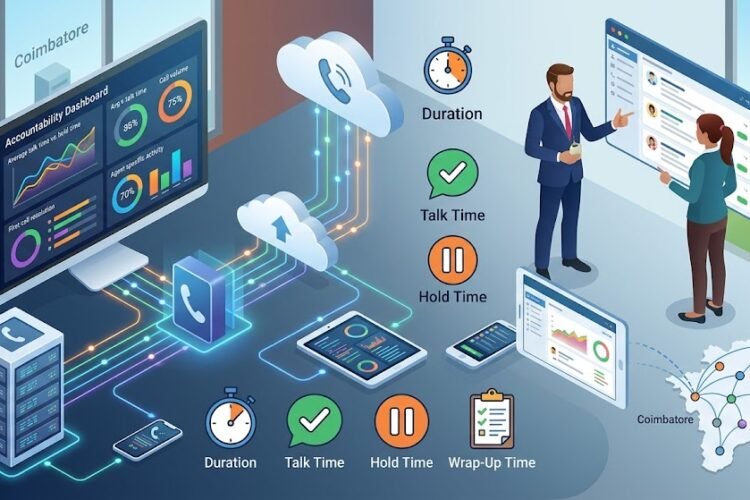
Data drives modern business decisions. Your service provider should help you extract valuable insights from communication patterns: peak call times, average handling duration, extension utilization, call quality metrics, and system performance indicators. This data helps optimize staffing, identify training needs, and justify communication investments.
The Installation and Setup Process: What to Expect
Understanding the implementation process helps you evaluate whether providers approach projects professionally or cut corners that cause problems later.
Site Assessment and Planning
Professional installations begin with thorough site surveys. Providers should evaluate your physical space, network infrastructure, power supply quality, and environmental factors before proposing solutions. They’ll discuss step-by-step EPABX setup including cabling requirements, equipment placement, and expansion provisions.
Implementation Timeline and Milestones
Realistic timelines prevent disappointment. A 50-extension system might take 3-5 days for complete installation and testing. Larger implementations require phased approaches to minimize business disruption. Your provider should outline clear milestones: infrastructure preparation, equipment installation, configuration and testing, user training, and go-live support.
Training and Documentation
System installation represents just 50% of successful implementation—user adoption determines actual success. Comprehensive training ensures employees utilize system capabilities effectively. Providers should deliver training at multiple levels: basic usage for all staff, advanced features for power users, and administrative functions for IT teams.
Ongoing Relationship Management with Your Service Provider
Selecting a provider isn’t a one-time decision—it’s the beginning of a long-term partnership that requires active management.
Establishing Clear Communication Channels
Define how you’ll interact with your provider: dedicated account managers, 24/7 helpdesk numbers, email ticketing systems, and escalation procedures for unresolved issues. The best providers assign specific points of contact who understand your business and system configuration.
Regular Review Meetings
Schedule quarterly reviews to discuss system performance, emerging needs, and technology updates. These sessions help providers understand your evolving requirements while giving you insights into optimization opportunities and industry trends. Proactive providers will suggest improvements before you ask.
Performance Metrics and Accountability
Track provider performance against agreed SLAs. Monitor response times, resolution rates, system uptime, and user satisfaction. Document issues and resolutions to identify patterns—if the same problems recur, your provider isn’t addressing root causes effectively.
Cost Considerations: Understanding EPABX Service Pricing
Transparent cost understanding prevents surprises and helps you budget effectively for communication infrastructure.
Installation and Setup Costs
Initial costs vary based on system complexity, extension count, and feature requirements. Expect to invest ₹30,000-₹2,00,000+ for small-to-medium installations including equipment, cabling, configuration, and training. Get itemized quotes comparing different system options—sometimes stepping up to better equipment saves money long-term through reduced maintenance and better reliability.
Annual Maintenance Contracts
AMCs typically cost 8-12% of system value annually, covering regular maintenance, basic support, and some parts replacement. Understand exactly what’s included: visit frequency, covered components, response time guarantees, and exclusions. Some providers offer tiered AMCs with varying service levels—choose based on your uptime requirements and internal technical capabilities.
Emergency Support and Upgrades
Budget for unexpected expenses: emergency repairs outside AMC scope, system expansions as you grow, and periodic technology upgrades. Setting aside 5-10% of annual communication budget for contingencies prevents scrambling when urgent needs arise.
Making Your Final Decision: A Structured Evaluation Framework
With multiple providers evaluated and proposals in hand, use this framework to make an informed decision.
Create a Weighted Scorecard
List your priorities: technical expertise (25%), response time guarantees (20%), cost competitiveness (20%), existing client satisfaction (15%), company stability (10%), innovation and future-readiness (10%). Rate each provider on these criteria, multiply by weights, and compare total scores. This approach removes emotional bias from decisions.
Conduct Trial Engagements
Before committing to major installations, consider starting with smaller projects or maintenance contracts for existing systems. This trial period reveals how providers actually perform versus what they promise. A three-month maintenance trial costs relatively little but provides invaluable insights.
Trust Your Instincts
Numbers and frameworks help, but intuition matters. If a provider seems too slick, promises feel unrealistic, or communication raises concerns, trust those feelings. Long-term partnerships require mutual respect, honest communication, and shared values—you can’t spreadsheet those qualities.
Looking Ahead: Future-Proofing Your Communication Infrastructure
The best EPABX service providers help you build communication systems that serve your needs today while adapting to tomorrow’s requirements.
Scalability Planning
Choose providers who think beyond current needs. They should discuss growth accommodation: how easily can you add extensions, integrate new locations, implement advanced features, or transition to different technologies? Systems designed with scalability in mind cost more initially but save significantly long-term.
Technology Evolution Guidance
Communication technology evolves rapidly—5G integration, AI-powered call routing, advanced analytics, and unified communications platforms represent just the beginning. Your provider should function as a technology advisor, helping you understand emerging trends and plan strategic upgrades rather than reactive replacements.
Taking Action: Your Next Steps
You’ve absorbed considerable information about finding the right EPABX service provider. Now what?
Start by listing your specific requirements: extension count, must-have features, budget constraints, and timeline. Research providers in your area, checking online reviews and requesting references. Schedule consultations with your top three choices, asking the questions outlined above. Request detailed proposals and compare them systematically.
Remember, the cheapest option rarely delivers best value, but the most expensive isn’t automatically superior. Focus on finding providers who demonstrate understanding of your needs, commit to clear service standards, and approach your business as a long-term partnership opportunity.
Your communication system deserves expert care from professionals who treat your business success as their own. The right EPABX service provider near you exists—investing time to find them pays dividends in reliability, efficiency, and peace of mind for years to come.
Frequently Asked Questions
What should I expect to pay for EPABX service and maintenance?
Annual maintenance contracts typically range from 8-12% of your system’s value, covering regular check-ups, basic repairs, and technical support. For a ₹2 lakh system, budget ₹16,000-₹24,000 annually. Emergency services outside the contract cost ₹2,000-₹5,000 per visit depending on urgency and complexity. Installation costs vary widely based on system size—small office setups start around ₹30,000-₹50,000, while larger implementations can exceed ₹2 lakhs. Always request itemized quotes comparing different service levels to understand exactly what you’re paying for.
How quickly should an EPABX service provider respond to critical issues?
Professional providers guarantee 2-4 hour response times for critical failures during business hours, with 6-8 hours for after-hours emergencies. “Critical” typically means complete system failure or issues affecting more than 50% of users. Less urgent issues might have 24-48 hour response commitments. Always get these guarantees in writing as part of your Service Level Agreement. Providers unable or unwilling to commit to specific timeframes likely can’t deliver when you need them most.
Can I switch EPABX service providers if I’m unhappy with my current one?
Absolutely. Most maintenance contracts run annually with 30-90 day termination notice requirements. Switching providers is straightforward—your new provider should handle the transition including system assessment, documentation review, and ongoing support. Before switching, ensure your current provider hasn’t locked you into proprietary configurations that complicate transitions. When evaluating new providers, discuss their experience taking over systems from other vendors and request transition timelines.
Do I need a local EPABX service provider or can I work with remote companies?
While remote support handles some issues, physical presence matters for installation, complex troubleshooting, and hardware repairs. Local providers typically respond faster to emergencies and cost less for on-site visits. However, “local” doesn’t mean the provider must be in your exact city—within 50-100 km works for most businesses. Consider local providers first, but don’t exclude regional companies with proven track records and clear response time commitments for your area.
What’s the difference between warranty service and paid maintenance?
Warranty covers manufacturing defects in new equipment, typically for 1-3 years. It doesn’t cover damage from misuse, environmental factors, or normal wear. Paid maintenance contracts provide comprehensive support including regular check-ups, configuration adjustments, minor repairs, and technical assistance regardless of fault. Think of warranty as insurance against product defects, while maintenance ensures ongoing optimal performance. Most businesses need both—warranty from manufacturers and maintenance contracts with service providers.
How do I know if my EPABX system needs upgrading or just maintenance?
Signs you need upgrades include: frequent failures despite regular maintenance, inability to support modern features your business needs, compatibility issues with current technology, or maintenance costs exceeding 15% of replacement value annually. If your system is 7-10+ years old and causing regular frustration, replacement often makes more financial sense than continued maintenance. Quality service providers honestly assess whether repair or replacement serves you better—be wary of those always pushing new systems or those insisting ancient equipment can continue indefinitely.
Should my EPABX service provider also sell equipment or focus only on service?
Both models work—the key is transparency about potential conflicts of interest. Provider-installers offer convenience of single-point contact but might push their preferred brands. Service-only providers offer unbiased recommendations but require you to procure equipment separately. Many excellent providers do both while maintaining objectivity by discussing multiple options based on your needs, not their profit margins. Ask how they handle equipment selection and whether they can service systems they didn’t install.
What certifications should I look for in an EPABX service provider?
Manufacturer certifications indicate specialized training in specific systems—look for credentials from brands like Matrix, NEC, Panasonic, or Grandstream if you use their equipment. General certifications in IP telephony, VoIP technologies, and network infrastructure demonstrate broader expertise. However, practical experience often matters more than certificates—a provider with 10 years of field experience but few formal certifications might outperform someone with impressive credentials but limited real-world troubleshooting experience. Ask about both certifications and hands-on experience.