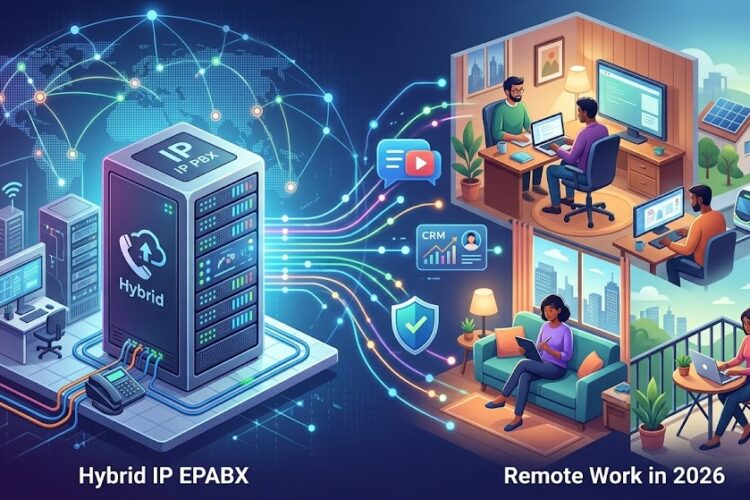
In today’s fast-paced business environment, effective communication is the backbone of success. Whether you’re running a small startup or managing a large enterprise in Chennai, having a reliable telephone system is crucial. This is where IP EPABX systems come into play, revolutionizing how businesses communicate internally and with their customers.
Understanding EPABX: The Foundation of Business Communication
Before diving into the world of IP-based systems, let’s understand what EPABX means. EPABX stands for Electronic Private Automatic Branch Exchange. In simpler terms, it’s a private telephone network used within an organization that allows internal communication and connects to external phone lines.
Traditional EPABX systems have been serving businesses for decades, but technology has evolved significantly. Today’s businesses require more than just basic call routing – they need integrated communication solutions that can handle voice, video, and data seamlessly.
What is an IP EPABX System?
An IP EPABX system represents the next generation of business telephony. Unlike traditional systems that use conventional phone lines, IP EPABX systems leverage Internet Protocol technology to transmit voice data over your existing network infrastructure. This fundamental difference brings numerous advantages that we’ll explore throughout this guide.
The digital EPABX translates the information into data packets that can be transmitted over the internet or your local network. This translation process is what makes modern systems so versatile and feature-rich compared to their analog predecessors.
Why Chennai Businesses Are Switching to IP EPABX Systems
Chennai, being one of India’s major business hubs, has witnessed a significant transformation in how companies approach their communication infrastructure. From IT companies in Sholinganallur to manufacturing units in Ambattur, businesses across the city are recognizing the benefits of upgrading to IP-based systems.
Cost Efficiency and Scalability
One of the primary reasons businesses in Chennai are adopting IP EPABX solutions is the dramatic reduction in communication costs. Traditional phone systems require expensive hardware, separate cabling, and ongoing maintenance. IP-based systems utilize your existing data network, significantly reducing infrastructure costs.
As your business grows, scaling an IP EPABX system is remarkably straightforward. Adding new extensions doesn’t require additional physical phone lines – you simply add new devices to your network. This flexibility is particularly valuable for Chennai’s growing startup ecosystem and expanding SMEs.
Enhanced Features and Functionality
Modern IP EPABX systems offer features that were impossible or prohibitively expensive with traditional systems. These include:
- Advanced Call Routing: Intelligent call distribution based on time, caller ID, or department
- Voicemail to Email: Receive voicemail messages directly in your inbox
- Mobile Integration: Use your smartphone as an extension of your office phone system
- Conference Calling: Host multi-party calls without additional equipment
- Call Recording: Automatically record calls for training and quality assurance
- Real-time Analytics: Monitor call patterns, wait times, and agent performance
The IP EPABX Installation Process: A Comprehensive Overview
Understanding how EPABX installation completes in multiple phases helps businesses prepare adequately and ensure a smooth transition. Setting up an IP EPABX system for your office is a structured process that requires careful planning and execution.
Phase 1: Assessment and Planning
The first phase of EPABX system installation involves a thorough assessment of your business needs. This critical step determines the success of your entire communication infrastructure. During this phase, professionals evaluate:
- Current communication requirements and pain points
- Number of users and extensions needed
- Call volume and patterns
- Integration requirements with existing systems
- Budget constraints and ROI expectations
- Physical infrastructure and network capacity
This assessment phase typically involves meetings with key stakeholders, site surveys, and detailed documentation of requirements. A comprehensive plan developed during this phase serves as the roadmap for the entire installation process.
Phase 2: Design and Configuration
Once requirements are clear, the system design phase begins. This involves selecting the appropriate hardware, software, and network components. The design must account for current needs while providing room for future growth.
VoIP configuration in Chennai requires attention to specific factors like internet bandwidth, quality of service (QoS) settings, and network security. Professional installers ensure your network can handle voice traffic without compromising data transmission or call quality.
Phase 3: Installation and Integration
The physical installation phase involves setting up servers, phones, and network equipment. This includes:
- Installing and configuring the EPABX server
- Setting up IP phones at designated locations
- Configuring network switches and routers for optimal voice quality
- Integrating with existing systems like CRM software
- Setting up backup and redundancy measures
Phase 4: Testing and Optimization
Before going live, comprehensive testing ensures everything works as intended. This includes test calls, feature verification, and performance optimization. Any issues identified during testing are resolved before the system becomes operational.
Phase 5: Training and Deployment
The final phase involves training your team on using the new system effectively. This includes basic operations, advanced features, and troubleshooting common issues. Proper training ensures your staff can leverage all the system’s capabilities from day one.
Choosing the Right IP EPABX Dealer in Chennai
Selecting the right partner for your IP EPABX implementation is crucial. Chennai has numerous dealers and service providers, but not all offer the same level of expertise and support.
What to Look for in an EPABX Dealer
When searching for EPABX dealers in Chennai, consider these factors:
Experience and Expertise: Look for dealers with proven track records in implementing IP-based systems. They should understand both the technical aspects and business implications of different solutions.
Product Range: A good dealer offers multiple brands and solutions, allowing them to recommend the best fit for your specific needs rather than pushing a single product.
After-Sales Support: Communication systems are mission-critical. Ensure your dealer offers responsive support, regular maintenance, and quick resolution of issues.
Local Presence: Having a dealer with strong local presence in Chennai means faster response times and better understanding of local business requirements.
The Hi-Tech Solutions Advantage
Companies like Hi-Tech Solutions Chennai have built their reputation on delivering comprehensive EPABX solutions tailored to local business needs. With expertise in both traditional and IP-based systems, they guide businesses through the transition process seamlessly.
Professional installers understand that every business is unique. Whether you’re a small business needing a basic system or an enterprise requiring advanced features and integration, experienced dealers can design solutions that match your requirements and budget.
IP PBX vs Traditional EPABX: Understanding the Difference
While the terms are sometimes used interchangeably, understanding the distinction between IP PBX and traditional EPABX systems helps in making informed decisions.
Traditional EPABX Systems
Traditional systems use circuit-switched technology over copper phone lines. They require dedicated hardware for each function and separate cabling infrastructure. While reliable, they lack the flexibility and features of modern systems.
IP PBX Systems
IP PBX systems in Chennai represent the evolution of business telephony. They use packet-switched technology over IP networks, offering superior flexibility, features, and cost efficiency.
The fundamental difference lies in how they handle communication. IP-based systems treat voice as data, enabling integration with other business applications and supporting modern communication needs like video conferencing and instant messaging.
Key Features of Modern IP EPABX Systems
Understanding the features available helps businesses make the most of their investment.
Unified Communications
The future of business telephony lies in unified communications, where voice, video, messaging, and collaboration tools work together seamlessly. Modern IP EPABX systems serve as the foundation for unified communications platforms.
Advanced Message Boxes
Message boxes and voicemail systems have evolved significantly. Today’s systems offer personalized greetings, voicemail transcription, and integration with email and mobile apps. Users can access messages from anywhere, ensuring they never miss important communications.
Mobile Integration
With remote work becoming increasingly common, mobile integration is essential. IP EPABX systems allow employees to use their smartphones as extensions of the office system, maintaining professional communication regardless of location.
Call Analytics and Reporting
Business intelligence features provide insights into communication patterns, helping optimize operations and improve customer service. Track metrics like call volume, wait times, agent performance, and customer satisfaction.
Biometric Integration and Security
Modern communication systems often integrate with other security and access control systems. Biometric solutions in Chennai are increasingly being integrated with EPABX systems for enhanced security and user management. This integration allows for features like biometric authentication for accessing certain system functions or linking call records with access logs for comprehensive security monitoring.
Industry-Specific Applications
Different industries have unique communication requirements. Let’s explore how IP EPABX systems serve various sectors in Chennai.
IT and Software Companies
Chennai’s thriving IT sector requires communication systems that support distributed teams, client calls across time zones, and integration with project management tools. IP EPABX systems provide the flexibility and features these companies need.
Manufacturing and Industrial Units
For manufacturing facilities, reliable internal communication is crucial for operational efficiency and safety. IP EPABX systems offer features like paging integration, emergency notifications, and rugged handsets for factory floor use.
Healthcare Facilities
Hospitals and clinics require communication systems that support emergency protocols, patient privacy, and integration with healthcare management systems. IP EPABX solutions can be customized to meet these specific needs.
Educational Institutions
Schools and colleges benefit from IP EPABX systems that offer campus-wide communication, emergency alert systems, and integration with student information systems.
Expanding Beyond Chennai: IP EPABX Solutions Across Tamil Nadu
While our focus has been on Chennai, businesses across Tamil Nadu are embracing IP EPABX technology. Whether you’re looking for an IP PBX dealer in Coimbatore or EPABX solutions for your business in any other city, the principles and benefits remain the same.
Coimbatore, being another major industrial hub, has seen significant adoption of IP-based communication systems. Local dealers in these cities understand regional requirements and provide customized solutions.
Leading EPABX Manufacturers in India
India has become a significant market for communication equipment, with both international brands and domestic manufacturers offering competitive solutions. Leading EPABX manufacturers in India include:
- Avaya: Known for enterprise-grade solutions
- Panasonic: Offers reliable systems for businesses of all sizes
- NEC: Provides advanced IP PBX systems
- Matrix: A leading Indian manufacturer with innovative solutions
- Grandstream: Cost-effective IP-based systems
- Yeastar: Popular for SME solutions
When selecting a system, consider factors like scalability, feature set, support availability, and total cost of ownership rather than just initial price.
How IP EPABX Systems Work: Technical Overview
Understanding the technical aspects helps appreciate the capabilities of modern systems. Here’s a simplified explanation of how these systems function:
Call Processing
When you make a call from an IP phone, the device converts your voice into digital data packets. These packets are tagged with addressing information and transmitted over the network to the IP EPABX server.
The server processes the call according to configured rules – routing it to the appropriate extension, external line, or voicemail system. If the call is to an external number, the server connects to a VoIP service provider or traditional phone line through a gateway.
Network Requirements
For optimal performance, IP EPABX systems require:
- Adequate Bandwidth: Voice calls don’t require huge bandwidth, but consistency is crucial. Quality of Service (QoS) settings prioritize voice traffic.
- Low Latency: Delays in voice transmission create echo and make conversation difficult. Networks should maintain low latency for voice traffic.
- Reliable Power: Backup power solutions ensure communication continuity during outages.
- Network Security: Proper firewall configuration and security measures protect against unauthorized access and fraud.
Cost Considerations and ROI
Investing in an IP EPABX system requires upfront capital, but the return on investment typically justifies the expense.
Initial Investment
Costs include hardware (servers, phones, network equipment), software licenses, installation, and configuration. While this may seem substantial, it’s typically lower than traditional systems when considering the reduced cabling and infrastructure requirements.
Ongoing Costs
Monthly expenses include VoIP service provider fees (if using external services), maintenance contracts, and electricity. However, these are generally lower than traditional phone line rentals and long-distance charges.
Cost Savings
Businesses typically see savings from:
- Reduced call costs, especially for long-distance and international calls
- Lower maintenance expenses
- Elimination of separate voice and data networks
- Increased productivity through advanced features
- Scalability without major additional investment
Most businesses report ROI within 12-24 months of implementation.
Best Practices for IP EPABX Management
Once your system is operational, following best practices ensures optimal performance and longevity.
Regular Updates and Maintenance
Keep your system software updated to benefit from security patches, bug fixes, and new features. Schedule regular maintenance to prevent issues before they impact operations.
User Training
Technology is only valuable if people use it effectively. Provide ongoing training to ensure your team leverages all available features.
Monitoring and Optimization
Regularly review call analytics and system performance. Use this data to optimize configurations and identify areas for improvement.
Security Management
Implement strong security measures including regular password changes, access controls, and network security protocols. VoIP fraud is a real concern, and proper security protects your business.
Troubleshooting Common Issues
Even well-designed systems may encounter occasional issues. Understanding common problems helps resolve them quickly.
Call Quality Issues
Poor call quality often results from network congestion or inadequate bandwidth. Ensure QoS settings prioritize voice traffic and verify adequate bandwidth allocation.
Connection Problems
If phones fail to register with the server, check network connectivity, DHCP settings, and server status. Power cycling devices often resolves temporary glitches.
Feature Malfunctions
If specific features aren’t working as expected, verify configurations and ensure proper licensing. Consulting your system documentation or dealer support usually resolves these issues.
The Future of Business Communication
As technology continues evolving, IP EPABX systems are incorporating new capabilities. Artificial intelligence is enabling smart call routing based on caller sentiment and intent. Integration with business analytics provides deeper insights into customer interactions. Cloud-based solutions are making enterprise-grade features accessible to businesses of all sizes.
The future of business telephony and unified communications promises even greater integration, automation, and intelligence in communication systems.
Making the Right Choice for Your Business
Selecting and implementing an IP EPABX system is a significant decision that impacts your business operations and customer experience. Learn more about IP EPABX systems to understand if they’re right for your organization.
Consider your current needs, future growth plans, and budget constraints. Work with experienced professionals who can guide you through the process and provide ongoing support.
Get Started Today
Ready to transform your business communication? Whether you’re looking for basic EPABX solutions or advanced IP PBX systems in Chennai, taking the first step is simple. Learn more about our comprehensive solutions and how we can help your business communicate more effectively.
Professional dealers offer free consultations to assess your needs and recommend appropriate solutions. Don’t let outdated communication systems hold your business back – explore the possibilities of modern IP EPABX technology today.
Conclusion
IP EPABX systems represent a significant advancement in business communication technology. They offer cost savings, enhanced features, scalability, and the flexibility modern businesses need to thrive in competitive markets.
For businesses in Chennai and across India, partnering with experienced dealers ensures successful implementation and ongoing support. Whether you’re upgrading an existing system or implementing your first EPABX solution, the benefits of IP-based technology make it a compelling choice.
The investment in a quality communication system pays dividends through improved efficiency, better customer service, and enhanced collaboration. As your business grows and communication needs evolve, your IP EPABX system can adapt and scale accordingly.
Take the time to understand your options, evaluate different solutions, and choose a partner who understands your business. With the right system and support, you’ll have a communication infrastructure that supports your success for years to come.
For more information about implementing IP EPABX solutions for your business, explore our comprehensive resources or contact experienced dealers in your area. Your journey to better business communication starts with understanding your options and taking action today.