Are you tired of paying exorbitant mobile calling charges for your business? Do you struggle with unreliable communication between your office phone system and mobile networks? If you’re nodding yes, you’re not alone. Thousands of businesses across Chennai and Coimbatore face these exact challenges every single day.
The solution? A GSM Gateway System. This powerful piece of technology can slash your communication costs by up to 60% while dramatically improving call quality and connectivity. But here’s the catch: choosing the right GSM gateway and working with professional dealers makes all the difference between success and frustration.
In this comprehensive guide, we’ll walk you through everything you need to know about GSM Gateway Systems, why they’re essential for modern businesses, and how to choose the right dealers in Chennai and Coimbatore who can deliver results, not promises.
What Exactly is a GSM Gateway System? (And Why Your Business Needs One)
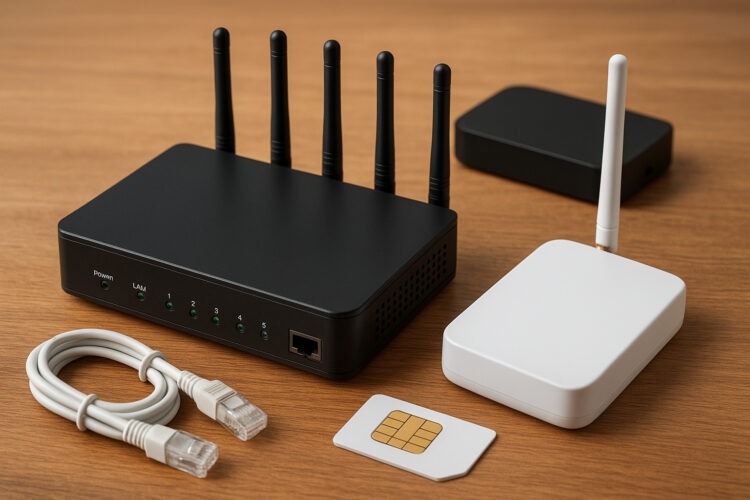
Let’s cut through the technical jargon. A GSM Gateway System is essentially a bridge between your traditional phone system (like an IP EPABX system) and mobile networks. Think of it as a smart converter that allows your office phone system to make and receive calls through GSM/3G/4G networks instead of expensive landlines.
Here’s why this matters for your bottom line: Every time your employees make calls to mobile numbers through traditional landlines, you’re paying premium rates. But with a GSM gateway, you’re essentially using mobile SIM cards to route those calls, which can cost a fraction of the price—especially for local and national calls.
The Real-World Impact on Business Operations
Consider this scenario: You run a call center in Chennai with 50 agents making outbound calls to customers across India. On traditional landlines, you might be spending ₹80,000-₹1,20,000 monthly on calling charges alone. With a properly configured GSM gateway using bulk SIM cards with unlimited calling plans, you could reduce this to ₹30,000-₹50,000. That’s a potential saving of ₹50,000-₹70,000 every single month!
But cost savings are just the beginning. GSM gateways also provide:
Network Redundancy: When your primary internet connection fails, your GSM gateway keeps calls flowing through mobile networks. No more angry customers getting busy tones during outages.
Mobile Integration: Seamlessly connect your IP EPABX system with mobile networks, allowing employees to use office extensions on their smartphones even when traveling.
Scalability: Need to add more calling capacity during peak seasons? Simply insert additional SIM cards into your gateway. No complicated infrastructure changes required.
Geographic Flexibility: Operate virtual offices in multiple cities by using local SIM cards in your gateway, giving customers local numbers to reach you.
How GSM Gateways Work Behind the Scenes
Understanding the basics helps you make better purchasing decisions. A GSM gateway contains multiple SIM card slots (typically ranging from 4 to 32 slots) and connects to your phone system via VoIP protocols. When someone makes a call from your office phone, the system intelligently routes it through the most cost-effective channel—either through your internet connection or through a GSM channel, depending on your configuration.
Modern GSM gateways come with sophisticated features like automatic failover, least-cost routing, and real-time monitoring. They’re designed to work seamlessly with unified communications systems, creating a robust communication infrastructure that grows with your business.
Key Features to Look for When Choosing a GSM Gateway
Not all GSM gateways are created equal. The market is flooded with products ranging from basic 4-port units to enterprise-grade 32-port systems. Here’s what separates the winners from the duds:
Multi-Port Capacity and Concurrent Call Handling
The number of ports directly determines how many simultaneous calls your gateway can handle. A small business with 10-15 employees might get by with an 8-port gateway, while a busy call center setup needs 16-port or 32-port solutions.
But here’s the critical part most people miss: Don’t just count ports. Verify the gateway’s actual concurrent call capacity. Some cheaper models advertise 8 ports but can only handle 4-5 simultaneous calls due to processing limitations. This creates bottlenecks during peak hours, leading to dropped calls and frustrated customers.
Network Band Support
India’s mobile networks operate on multiple frequency bands. Your GSM gateway must support GSM 900/1800 MHz bands at minimum, with 3G (2100 MHz) and 4G LTE support being highly recommended for better call quality and faster setup times. A gateway that supports only 2G bands in 2025 is essentially obsolete, as many operators are phasing out 2G networks.
VoIP Protocol Compatibility
Your gateway needs to speak the same language as your IP EPABX system. Look for support of standard protocols like SIP (Session Initiation Protocol), H.323, and IAX. SIP is the most widely used and offers the best compatibility with modern phone systems.
Built-in Routing Intelligence
Premium GSM gateways include smart routing algorithms that automatically select the best channel for each call based on factors like:
- Cost per minute for different SIM cards
- Network signal strength and quality
- Time-based routing rules (use cheaper SIM cards during off-peak hours)
- Destination-based routing (use specific SIM cards for specific area codes)
This intelligence can multiply your cost savings significantly. Without it, you’re leaving money on the table.
Security and Fraud Prevention
Here’s a scary statistic: Telecom fraud costs businesses billions annually. Poorly secured GSM gateways become targets for toll fraud, where hackers gain access to your system and make expensive international calls at your expense.
Essential security features include:
- Strong authentication mechanisms
- IP whitelisting to restrict access
- Call pattern monitoring to detect unusual activity
- Automatic blocking of suspicious destinations
- Secure web interface with HTTPS
- Regular firmware updates from the manufacturer
Remote Management Capabilities
When issues arise at 2 AM (and they will), you need the ability to troubleshoot remotely. Look for gateways with comprehensive web-based management interfaces that allow you to:
- Monitor real-time call status and quality
- View detailed call logs and statistics
- Adjust routing rules on the fly
- Restart individual ports or the entire system
- Receive alerts for SIM card failures or low balance
Top GSM Gateway Brands Available in Chennai and Coimbatore
Let’s talk brands. In our 15+ years serving businesses across Tamil Nadu, we’ve worked with virtually every GSM gateway manufacturer on the market. Here are the brands that consistently deliver reliable performance:
Dinstar GSM Gateways: The Industry Standard
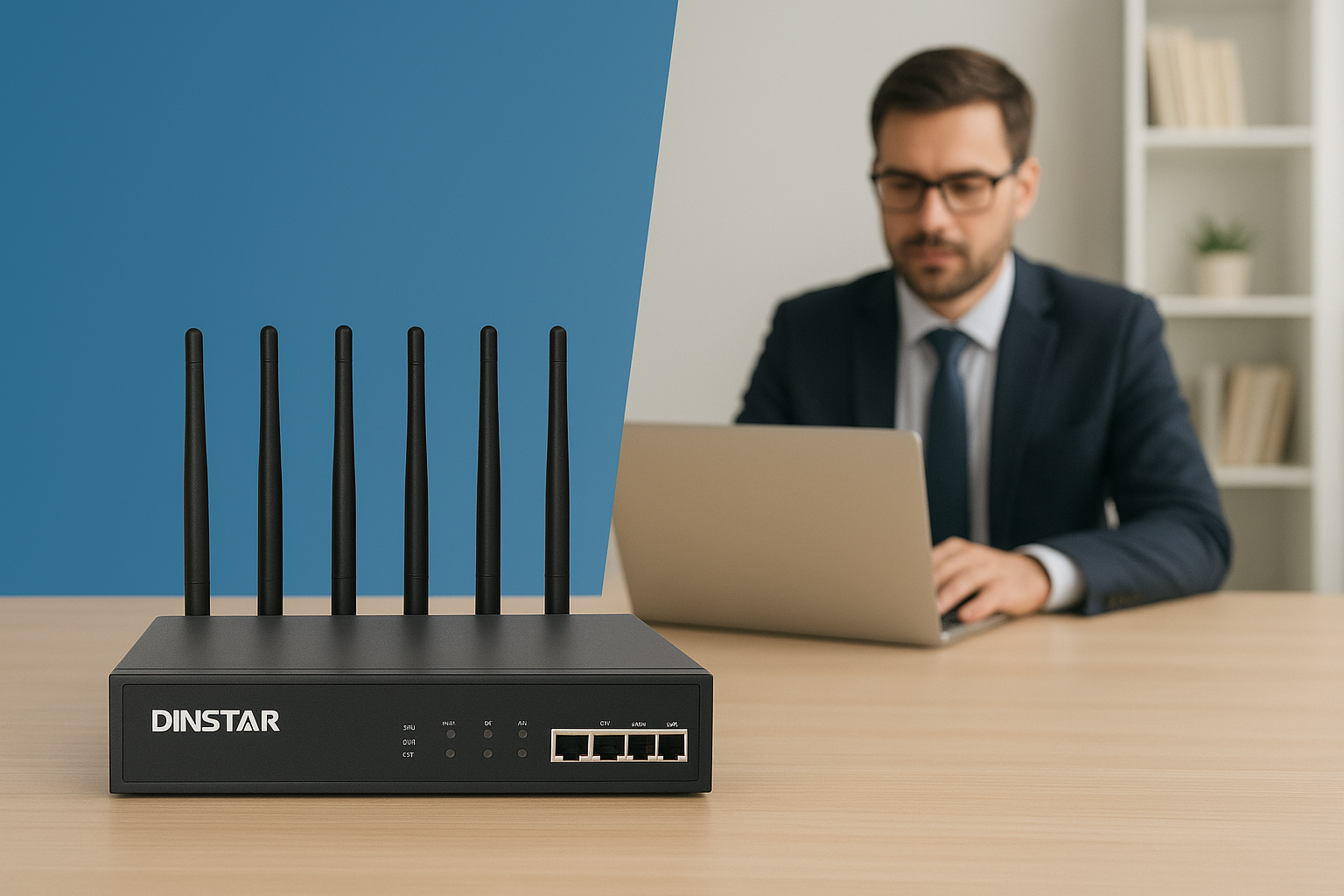
Dinstar has earned its reputation as the gold standard in GSM gateway technology. Their UC series (UC2000-VE, UC2000-VF, UC2000-VG) offers unmatched reliability and feature richness.
What sets Dinstar apart? Build quality and software stability. While competitors’ gateways might work fine for weeks then mysteriously drop calls or lose SIM card registration, Dinstar systems run for months without intervention. Their advanced features include:
- Dual-SIM rotation to extend SIM card life
- SMS to email forwarding for service notifications
- Detailed CDR (Call Detail Records) for billing analysis
- IMEI/IMSI modification capabilities
- Support for up to 32 GSM channels in a single unit
For medium to large businesses, Dinstar is worth the premium price. The UC2000-VG 8-port model typically costs ₹55,000-₹70,000, while the 32-port version ranges from ₹2,20,000-₹2,80,000. High upfront cost? Yes. But the reliability and lower maintenance costs justify the investment.
GoIP GSM Gateways: Budget-Friendly Reliability
If Dinstar represents the luxury segment, GoIP offers the best value proposition for smaller businesses. Models like GoIP-4, GoIP-8, and GoIP-16 provide solid performance at prices 30-40% lower than comparable Dinstar units.
GoIP gateways excel in environments where budget is tight but reliability is still non-negotiable. They work particularly well for businesses transitioning from traditional EPABX systems to IP-based communications, as they’re easier to configure for first-time users.
The GoIP-8 (8-port model) costs around ₹35,000-₹45,000, making it accessible for small businesses and startups. While it lacks some advanced features of premium brands, it handles basic call routing and least-cost routing effectively.
Synway GSM Gateways: Enterprise-Grade Performance
Synway caters to the enterprise market with robust, carrier-grade GSM gateways designed for high-volume operations. Their SMG series supports up to 256 GSM channels in a single chassis, making them ideal for large call centers and telecom service providers.
What makes Synway special is their focus on carrier-grade reliability and regulatory compliance. If you’re operating a call center that handles thousands of calls daily, Synway’s advanced call quality monitoring and redundancy features become invaluable.
Pricing for Synway systems starts around ₹1,20,000 for basic 16-port configurations and can exceed ₹10,00,000 for fully-loaded 256-port systems. These aren’t for everyone, but for businesses where downtime costs thousands per hour, they’re essential.
DBL Technology and Yeastar: The Emerging Players
DBL Technology from India and Yeastar from China have been gaining market share with competitive pricing and improving quality. Their gateways work well for specific use cases, particularly when integrated with their own IP PBX systems.
Understanding Total Cost of Ownership: Beyond the Purchase Price
Here’s where many businesses make costly mistakes. They focus solely on the gateway’s purchase price while ignoring ongoing costs that can dwarf the initial investment.
SIM Card and Plan Selection Strategy
Your SIM cards are the fuel that powers your GSM gateway. Choosing the wrong plans can completely negate your cost savings. Here’s what works:
Bulk Corporate Plans: Major operators offer special corporate plans with unlimited calling or significantly reduced per-minute rates. A typical corporate plan might cost ₹350-₹500 per SIM per month for unlimited local/national calling. For an 8-port gateway, that’s ₹2,800-₹4,000 monthly—often less than what you’d pay for just 50 hours of traditional landline calling.
Multi-Operator Strategy: Don’t put all your SIM cards with one operator. Network coverage and call quality vary by location and time of day. Mix SIM cards from Jio, Airtel, and Vi to ensure you always have strong signal coverage. Your gateway’s intelligent routing will automatically use the best available network.
Plan Rotation: Telecom operators often monitor for “commercial use” of consumer SIM cards and may block them. Rotate between different plans and limit usage per SIM to 4-6 hours daily to reduce detection risk. Yes, this requires active management, but it’s the price of massive cost savings.
Installation and Configuration Costs
A GSM gateway is only as good as its configuration. Poor setup leads to call quality issues, security vulnerabilities, and failed calls. Professional installation by experienced dealers typically costs ₹5,000-₹15,000 depending on complexity.
This includes:
- Physical installation and network connectivity
- Integration with your existing phone system
- Routing rule configuration
- Security hardening
- Testing and quality verification
- Staff training on basic operations
Trying to save money by doing DIY installation? Unless you have prior VoIP experience, you’ll likely spend days troubleshooting issues that a professional could resolve in hours. Factor professional installation into your budget.
Maintenance and Support Considerations
GSM gateways need periodic maintenance. SIM cards fail, network configurations change, and software updates need to be applied. Smart businesses opt for Annual Maintenance Contracts (AMC) that typically cost 8-12% of the gateway’s purchase price annually.
What’s included in a good AMC?
- Quarterly preventive maintenance visits
- 24/7 phone support for critical issues
- On-site response within 4-8 hours for hardware failures
- Remote monitoring and proactive issue detection
- Software/firmware updates
- Replacement SIM cards when needed
The cost seems high until your gateway fails during your busiest sales period. Then that AMC becomes the best investment you’ve made.
Why Location Matters: Chennai vs. Coimbatore Market Dynamics
The GSM gateway market in Chennai differs significantly from Coimbatore, affecting both pricing and service quality.
Chennai Market Characteristics
Chennai, being a metro city with a massive BPO and IT services sector, has intense competition among dealers. This drives prices down and service quality up. You’ll find more authorized dealers for premium brands like Dinstar and Synway, along with better availability of spare parts and technical expertise.
The flip side? Higher real estate costs mean Chennai dealers often charge 10-15% more for installation and support services compared to Coimbatore. However, the depth of technical expertise available in Chennai is unmatched, particularly for complex integrations with advanced call center setups.
Chennai businesses also benefit from proximity to service centers. When your 32-port gateway needs board-level repairs, having a service center 30 minutes away instead of 5 hours away makes a huge difference.
Coimbatore Market Characteristics
Coimbatore’s manufacturing and textile industries have different communication needs compared to Chennai’s service sector. Dealers here often specialize in rugged, industrial-grade solutions that can withstand harsh factory environments.
Pricing in Coimbatore tends to be 8-12% lower for both hardware and services, making it attractive for cost-conscious businesses. However, the trade-off is potentially longer response times for specialized technical issues and limited availability of premium brands.
That said, quality dealers in Coimbatore often provide more personalized service. In a smaller market, reputation matters more, so dealers work harder to maintain long-term relationships.
How to Choose the Right GSM Gateway Dealer: The Complete Checklist
Buying a GSM gateway from an unreliable dealer is like buying a car without after-sales service—it might work great until something goes wrong. Here’s how to separate professionals from pretenders:
Verify Authorization and Credentials
Ask potential dealers for:
- Manufacturer authorization certificates
- Business registration documents
- Customer references from similar industries
- Physical office address (not just a mobile number)
Authorized dealers have direct manufacturer support, ensuring genuine products, warranty coverage, and timely firmware updates. Unauthorized dealers might offer lower prices but often sell refurbished or grey-market products with no real warranty.
Assess Technical Expertise
During initial conversations, ask specific technical questions about:
- Integration with your specific PBX system model
- Routing configuration for your use case
- Security best practices
- Troubleshooting common issues
A knowledgeable dealer will answer confidently and ask probing questions about your needs. A reseller who merely sells boxes will give vague answers and try to push whatever product has the highest margin.
Evaluate Post-Sales Support
Here’s a critical test: Ask the dealer about their typical response time for issues. Do they offer:
- 24/7 phone support?
- Remote assistance capabilities?
- On-site service within what timeframe?
- Loaner equipment during repairs?
- Proactive monitoring services?
The answers reveal whether they’re committed to long-term relationships or just interested in closing the sale.
Compare Total Ownership Costs
Request detailed quotes that include:
- Gateway hardware cost
- Installation and configuration
- First-year AMC
- SIM card procurement assistance
- Training sessions
- Warranty terms
The lowest initial quote often becomes the most expensive option when you factor in all costs. A dealer charging ₹10,000 more upfront but including comprehensive training and superior support delivers better value than a bare-bones quote.
Check Real Customer Reviews and References
Don’t just read testimonials on their website—those are obviously cherry-picked. Ask for references from businesses similar to yours in size and industry. Call them and ask:
- How long have they been using the dealer’s services?
- Have they experienced any major issues?
- How responsive is the dealer to support requests?
- Would they choose the same dealer again?
Genuine references will share both positives and minor negatives. If a reference provides only glowing praise with no concerns, they might not be genuine.
Integration with Modern Business Communication Systems
A GSM gateway doesn’t operate in isolation—it’s part of your broader communication infrastructure. Understanding integration is crucial for maximizing its value.
Seamless IP EPABX Integration
Modern IP EPABX systems from Matrix, NEC, Yeastar, and others integrate beautifully with GSM gateways. The key is proper trunk configuration and routing rules.
For example, you might configure your system to:
- Route all mobile calls through GSM gateway
- Route landline calls through VoIP trunk
- Use GSM as backup when internet fails
- Restrict international calls through GSM to prevent abuse
This intelligent routing happens transparently to users. They simply dial numbers as normal, while the system automatically chooses the most cost-effective route.
Unified Communications and Mobility
When integrated with unified communications platforms, GSM gateways enable powerful mobility features:
- Employees can receive office calls on their mobile phones while appearing as the office number to customers
- SMS messages sent to office numbers can be forwarded to email or CRM systems
- Voicemail from GSM channels can be transcribed and delivered as email
These features transform your communication system from a simple phone network into a comprehensive business communication platform.
Cloud Telephony Integration
The latest trend combines GSM gateways with cloud telephony solutions. This hybrid approach provides:
- Local presence in multiple cities using different SIM cards
- Failover to cloud when all GSM channels are busy
- Centralized management of distributed offices
- Advanced analytics and reporting
- AI-powered call routing and customer service features
Common Pitfalls to Avoid (Learn from Others’ Expensive Mistakes)
After helping hundreds of businesses implement GSM gateways, we’ve seen the same mistakes repeated again and again. Here’s how to avoid them:
Mistake #1: Oversizing or Undersizing Capacity
Buying a 32-port gateway when you need only 8 ports wastes money on unused capacity. But undersizing is worse—a gateway that’s constantly at maximum capacity delivers poor call quality, dropped calls, and frustrated users.
The right approach: Calculate your peak hour call volume, add 30% buffer for growth, then select the next size up. If you need 5 concurrent channels during peak periods, an 8-port gateway is ideal.
Mistake #2: Ignoring Network Quality
GSM gateways are only as good as the mobile network signal they receive. Before installation, verify signal strength for all operators you plan to use. Consider investing in external antennas (₹2,000-₹5,000 each) if your office location has poor indoor signal penetration.
Mistake #3: Neglecting Security Configuration
Default passwords, open network access, and missing firewall rules turn your GSM gateway into an open invitation for fraud. Always:
- Change all default passwords immediately
- Restrict access to specific IP addresses
- Disable unused services and ports
- Enable logging and monitoring
- Regularly review call logs for suspicious patterns
One instance of toll fraud can cost more than the gateway itself. Prevention is exponentially cheaper than recovery.
Mistake #4: Lack of Proper Documentation
When your gateway needs troubleshooting at midnight, having comprehensive documentation is invaluable. Document:
- Network configuration and IP addresses
- Login credentials (stored securely)
- Routing rules and their purposes
- SIM card assignments and plans
- Vendor contact information
- Change history
This seems tedious during setup but saves hours of frustration later.
Real-World Success Stories from Chennai and Coimbatore
Let’s look at how actual businesses have benefited from professional GSM gateway implementation:
Manufacturing Company in Coimbatore
A 250-employee manufacturing unit was spending ₹1,25,000 monthly on voice calls, primarily to coordinate with vendors, customers, and regional offices. After implementing a Dinstar UC2000-VG 16-port gateway with properly configured routing rules, their monthly calling costs dropped to ₹42,000—a savings of ₹83,000 monthly or nearly ₹10,00,000 annually.
The ROI? The ₹1,80,000 total investment (gateway + installation + first-year AMC) was recovered in just over 2 months.
BPO in Chennai
A 100-seat call center handling customer service for e-commerce companies implemented a dual-gateway setup (two 16-port Dinstar gateways) for redundancy. Beyond cost savings, they achieved:
- 99.7% uptime compared to 94% with their previous VoIP-only setup
- 40% reduction in customer complaints about call quality
- Ability to scale operations during festive season sales without infrastructure changes
The business impact: They won two additional client contracts specifically because of their improved call reliability.
Retail Chain with Multiple Locations
A retail chain with 15 outlets across Tamil Nadu used GSM gateways at each location to create a unified communication network. Head office staff could reach any outlet by dialing extension numbers, while customers calling any outlet’s local mobile number reached the same centralized customer service team.
Total implementation cost: ₹4,50,000 for 15 locations. Monthly savings compared to previous system: ₹78,000. The unified system also improved customer service response times by 60%.
Future-Proofing Your Investment
Communication technology evolves rapidly. A purchase decision today should remain relevant for at least 5-7 years. Here’s how to future-proof:
Look for 4G/LTE Support
While 2G and 3G networks still function, they’re being phased out globally. Investing in gateways with robust 4G LTE support ensures longevity and better call quality through VoLTE (Voice over LTE) technology.
Prioritize Software Updates
Choose dealers and brands with strong track records of releasing firmware updates. These updates add features, patch security vulnerabilities, and improve compatibility with evolving networks.
Consider Modular Systems
Some premium gateways offer modular designs where you can add GSM, FXO, FXS, or E1/T1 modules as needs change. This flexibility extends the useful life of your investment.
Plan for Cloud Integration
Even if you don’t need cloud features today, select gateways that support modern protocols like WebRTC and can integrate with cloud platforms. This keeps the door open for future upgrades to hybrid communication systems.
Working with Professional Dealers: What to Expect
When you engage a professional GSM gateway dealer in Chennai or Coimbatore, here’s the typical process:
Initial Consultation (Week 1): The dealer conducts a detailed needs assessment, reviewing your current communication costs, call volumes, and growth projections. They may visit your premises to assess network conditions and existing infrastructure.
Proposal and Design (Week 2): You receive a detailed proposal including equipment recommendations, network design, routing strategy, and total cost of ownership analysis. Professional dealers provide multiple options at different price points.
Equipment Procurement (Week 3-4): Once you approve the proposal, the dealer orders equipment. Authorized dealers typically maintain stock of popular models but may need 1-2 weeks for specialized configurations.
Installation and Configuration (Week 4-5): Trained technicians install the gateway, configure routing rules, integrate with your PBX, and thoroughly test all functions. This typically takes 1-2 days for standard installations.
Training and Handover (Week 5): Your team receives training on daily operations, basic troubleshooting, and whom to contact for support. You receive complete documentation.
Ongoing Support: Professional dealers provide responsive support via phone, remote access, and on-site visits as needed. They proactively monitor your system and recommend optimizations.
Regulatory Compliance and Legal Considerations
GSM gateways operate in a regulated environment. Ensure your dealer helps you navigate:
TRAI Regulations: The Telecom Regulatory Authority of India has specific rules about commercial use of mobile networks. Understand what’s permitted and what isn’t.
Documentation Requirements: Maintain proper documentation of SIM card registrations, authorized users, and business use justification.
Tax Implications: GSM gateway purchases qualify for depreciation and GST input credit. Your dealer should provide proper tax invoices and documentation.
Operator Terms of Service: Each mobile operator has terms governing use of their networks. Commercial use detection can lead to SIM blocking. Professional dealers guide you on compliant usage patterns.
Maintenance Best Practices for Long-Term Success
Your GSM gateway is a critical business asset. Treat it accordingly:
Daily Monitoring
Implement simple daily checks:
- Review call success rates
- Check SIM card registration status
- Verify network signal strength
- Monitor for unusual call patterns
Modern gateways provide web dashboards that make these checks quick and easy.
Monthly Maintenance
Schedule monthly sessions to:
- Review detailed call logs and billing
- Restart the gateway to clear memory
- Update firmware if new versions are available
- Verify backup configurations are current
- Test failover mechanisms
Quarterly Professional Service
Engage your dealer for quarterly professional maintenance including:
- Deep system diagnostics
- Physical inspection and cleaning
- Performance optimization
- Security audit
- SIM card rotation if needed
This proactive approach prevents 90% of potential issues before they impact operations.
Making Your Decision: Next Steps
Ready to move forward with a GSM gateway implementation? Here’s your action plan:
Step 1: Calculate your current monthly calling costs and typical call volumes. This gives you a baseline for measuring ROI.
Step 2: Identify 3-4 reputable dealers in Chennai or Coimbatore. Check their websites, read reviews, and verify credentials.
Step 3: Request detailed consultations from your shortlisted dealers. Compare their technical expertise, proposed solutions, and pricing.
Step 4: Check references and visit existing installations if possible.
Step 5: Review proposals carefully, considering not just price but total value including support and warranties.
Step 6: Select your dealer and schedule installation during a low-traffic period to minimize disruption.
Step 7: Actively participate in the installation process and ensure your team receives thorough training.
Step 8: Monitor results closely for the first month, working with your dealer to optimize settings.
Frequently Asked Questions (FAQs)
Q1: How much can I realistically save with a GSM gateway?
Most businesses see 40-70% reduction in calling costs, depending on their current rates and call patterns. A business spending ₹1,00,000 monthly on calls typically reduces this to ₹30,000-₹60,000. However, actual savings depend on factors like SIM card plans, call destinations, and usage patterns.
Q2: Is using GSM gateways legal in India?
Yes, GSM gateways are legal for business use. However, you must comply with TRAI regulations and use properly registered SIM cards. Avoid SIM boxing (terminating international calls through GSM to avoid proper interconnection charges), which is illegal. Work with professional dealers who understand compliance requirements.
Q3: How long does a GSM gateway typically last?
Quality gateways from brands like Dinstar typically last 5-7 years with proper maintenance. However, technology evolution might make upgrading beneficial after 4-5 years to access features like better 4G support or improved security. Industrial-grade gateways in controlled environments often exceed 7-year lifespans.
Q4: What’s the difference between a GSM gateway and a VoIP gateway?
A VoIP gateway connects traditional phone lines (PSTN) to IP networks, while a GSM gateway connects mobile networks (GSM/3G/4G) to IP networks. GSM gateways use SIM cards and mobile networks; VoIP gateways use landline connections. Many modern solutions integrate both for maximum flexibility.
Q5: Can I install a GSM gateway myself, or do I need professional help?
Basic installation is possible for someone with VoIP networking experience, but professional installation is strongly recommended. Proper configuration of routing rules, security settings, and integration with existing systems requires expertise. Poor configuration leads to call quality issues and security vulnerabilities. The ₹8,000-₹12,000 for professional installation saves much more in prevented problems.
Q6: How many SIM cards do I need for my business?
This depends on your concurrent call volume. Calculate your peak hour calls and add 20-30% buffer. For example, if you have a maximum of 10 simultaneous calls during your busiest hour, an 8-port gateway (requiring 8 SIM cards) would be overloaded. A 12-16 port gateway would be appropriate. Your dealer should help with capacity planning based on your specific usage patterns.
Q7: Do GSM gateways work during power outages?
GSM gateways require continuous power like any electronic device. However, they consume minimal power (typically 20-50 watts), making them ideal for UPS backup. A standard 1000VA UPS can power a gateway for 3-5 hours during outages. For critical applications, consider also having backup internet connectivity through a 4G router.
Q8: What’s the difference between authorized and unauthorized dealers?
Authorized dealers have official manufacturer partnerships, providing genuine products, valid warranties, direct technical support, and authentic firmware updates. Unauthorized dealers may offer lower prices but often sell refurbished, grey-market, or counterfeit products with no real warranty or support. The small upfront saving isn’t worth the risk of receiving substandard equipment.
Q9: Can I use any mobile SIM card in a GSM gateway?
Technically yes, but not all SIM cards work equally well. Consumer SIM cards with unlimited calling plans work but may get blocked if operators detect commercial use. Business/corporate SIM cards from major operators are designed for this purpose and offer better reliability. Your dealer should advise on the best SIM card strategy for your usage patterns and help procure appropriate plans.
Q10: How do I prevent toll fraud on my GSM gateway?
Implement multiple security layers: strong passwords, IP whitelisting, restricted international calling unless specifically needed, call pattern monitoring, and regular log reviews. Configure your gateway to alert you of unusual activity like sudden spikes in international calls or calls to premium numbers. Work with your dealer to implement comprehensive security best practices.
Conclusion: Your Path to Smarter Business Communications
Implementing a GSM gateway represents one of the highest-ROI investments you can make in your business communication infrastructure. The combination of dramatic cost savings, improved reliability, and enhanced flexibility makes it a no-brainer for most businesses in Chennai and Coimbatore.
However, success depends critically on three factors: choosing the right equipment for your specific needs, working with professional dealers who provide genuine expertise and support, and following best practices for configuration and maintenance.
The difference between a successful GSM gateway deployment and a frustrating experience often comes down to partner selection. Take time to evaluate dealers thoroughly, ask tough questions, and verify credentials. The few extra days spent on due diligence will pay dividends for years to come.
Ready to transform your business communications? Reach out to professional GSM gateway dealers in Chennai and Coimbatore, request detailed consultations, and start your journey toward smarter, more cost-effective communication systems today.
Your bottom line will thank you, your employees will appreciate the improved call quality, and your customers will benefit from more reliable connectivity. That’s the power of properly implemented GSM gateway technology.
Looking to upgrade your complete communication infrastructure? Explore our guides on IP EPABX systems, call center solutions, and unified communications platforms to create a comprehensive solution tailored to your business needs.