In today’s competitive business landscape, communication costs can make or break a company’s bottom line. What if we told you that a Chennai-based manufacturing company slashed their communication expenses by 40% while simultaneously improving call quality and operational efficiency? This isn’t just another marketing claim – it’s a real success story that demonstrates the transformative power of modern IP EPABX systems.
The Challenge: Rising Communication Costs Threatening Business Growth
Communication expenses were spiraling out of control for many businesses, and TechFlow Industries was no exception. Like countless other companies, they found themselves trapped in a cycle of increasing costs without proportional improvements in service quality or functionality.
Company Background: Meet TechFlow Industries
TechFlow Industries, a mid-sized manufacturing company based in Chennai, had been operating successfully for over a decade. With 150 employees across multiple departments including sales, customer service, production, and administration, their communication needs were complex and demanding. The company’s growth trajectory was impressive, but their communication infrastructure was holding them back.
As their business expanded, TechFlow’s management realized that their traditional phone system was becoming a significant bottleneck. The monthly bills kept climbing, yet the system’s performance was deteriorating. Something had to change, and it had to change quickly.
The Pain Points: What Was Going Wrong
The problems TechFlow faced weren’t unique, but they were severe enough to impact their daily operations and profitability. Let’s dive into the specific challenges that brought them to HiTech Solutions.
Outdated Legacy Systems
TechFlow’s existing phone system was a relic from the early 2000s. This traditional PBX system required expensive proprietary hardware and offered limited flexibility. Every time they needed to add a new extension or modify call routing, they had to call in expensive technicians. The system couldn’t integrate with their modern business applications, creating information silos that hindered productivity.
The maintenance costs alone were eating into their budget. Replacement parts were becoming increasingly difficult to source, and the system’s reliability was questionable at best. Employees frequently complained about dropped calls and poor audio quality, which reflected poorly on the company’s professional image.
Escalating Monthly Bills
TechFlow’s monthly communication costs had increased by 35% over the past two years. Their traditional phone service provider charged hefty fees for long-distance calls, and their growing sales team’s outbound calling activities were driving costs through the roof. International calls to suppliers and customers were particularly expensive, sometimes accounting for nearly 25% of their total communication budget.
The company was spending approximately ₹45,000 per month on communication services, which translated to over ₹5.4 lakhs annually. For a growing business, this represented a significant drain on resources that could have been invested in product development or market expansion.
Poor Call Quality and Reliability
Perhaps even more concerning than the costs were the quality issues. Customers complained about choppy audio, echo, and frequent disconnections. The sales team reported that poor call quality was affecting their ability to close deals, as potential customers sometimes hung up due to technical difficulties.
The system’s reliability was equally problematic. During peak business hours, calls would sometimes fail to connect, or the system would become completely unresponsive. These outages not only frustrated employees but also resulted in lost business opportunities and damaged customer relationships.
The Solution: HiTech Solutions’ Strategic IP EPABX Implementation
When TechFlow Industries approached HiTech Solutions, our team knew we had to deliver more than just a phone system upgrade. We needed to provide a comprehensive communication solution that would address their immediate pain points while positioning them for future growth.
Why IP EPABX Was the Right Choice
After conducting a thorough assessment of TechFlow’s needs, our experts recommended a complete migration to an IP EPABX system. This wasn’t just about following the latest technology trends – it was about choosing the most cost-effective and scalable solution for their specific requirements.
IP EPABX systems offer several advantages over traditional phone systems. They use your existing network infrastructure, eliminating the need for separate phone lines. This convergence of data and voice communications not only reduces costs but also simplifies management and maintenance.
Furthermore, IP EPABX systems provide exceptional flexibility. Adding new extensions, modifying call routing, or implementing new features can be done through software configuration rather than hardware changes. This means faster implementations and lower ongoing costs.
Customized Solution Design
We didn’t believe in one-size-fits-all solutions. Our team worked closely with TechFlow’s management to understand their unique communication patterns, peak usage times, and growth projections. This collaborative approach ensured that the final solution would meet their current needs while accommodating future expansion.
System Architecture and Components
The IP EPABX system we designed for TechFlow included several key components. The central server was configured to handle up to 200 concurrent calls, providing ample capacity for their current needs and future growth. We integrated advanced features like call recording, automated attendant, and detailed call analytics.
The system included support for both VoIP and traditional telephony, ensuring a smooth transition period. This hybrid approach meant that TechFlow could gradually migrate their existing phones while immediately benefiting from the new system’s capabilities.
Integration with Existing Infrastructure
One of our key strengths at HiTech Solutions is our ability to integrate new systems with existing infrastructure. TechFlow had invested significantly in their network infrastructure, and we ensured that our IP EPABX solution would leverage these existing investments.
We configured the system to work seamlessly with their existing CRM software, enabling features like screen pops and automatic call logging. This integration eliminated the need for manual data entry and improved the overall efficiency of their sales and customer service teams.
Implementation Journey: From Planning to Execution
The implementation of TechFlow’s new IP EPABX system was carefully planned and executed in three distinct phases. This phased approach minimized disruption to their daily operations while ensuring a smooth transition.
Phase 1: Assessment and Planning
The first phase involved a comprehensive assessment of TechFlow’s existing communication infrastructure and requirements. Our team spent several days on-site, observing their communication patterns, interviewing key stakeholders, and documenting their specific needs.
We analyzed their call logs to understand peak usage times, call duration patterns, and frequently dialed numbers. This data helped us optimize the system configuration and ensure adequate capacity planning. We also conducted a network assessment to verify that their existing infrastructure could support the new IP EPABX system.
During this phase, we also developed a detailed project timeline and identified potential risks. By thoroughly planning the implementation, we were able to avoid common pitfalls and ensure a successful deployment.
Phase 2: System Installation and Configuration
The actual installation and configuration took place over a weekend to minimize disruption to TechFlow’s operations. Our technical team worked around the clock to ensure that the system would be fully operational by Monday morning.
Technical Implementation Details
The core IP EPABX server was installed in TechFlow’s existing server room, taking advantage of their climate-controlled environment and backup power systems. We configured the system with advanced features including:
- Automatic call distribution for their customer service team
- Interactive voice response (IVR) to handle routine inquiries
- Call recording for quality assurance and training purposes
- Real-time reporting and analytics dashboards
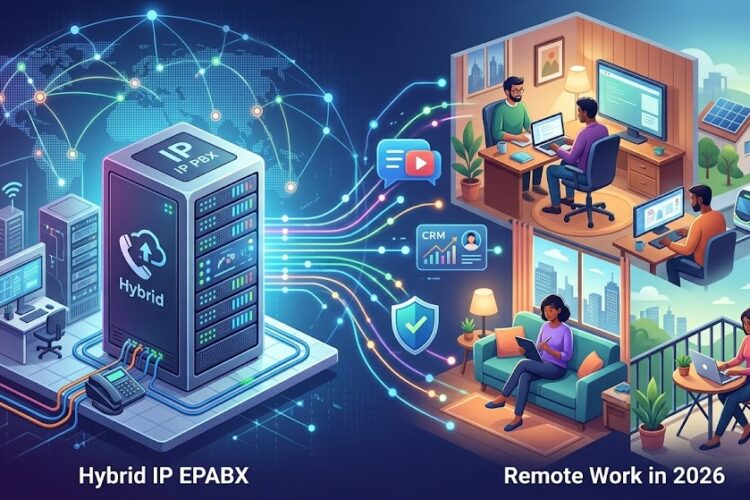
- Mobile app integration for remote employees
The system was configured to support both internal and external communications, with sophisticated routing rules that ensured calls were directed to the appropriate departments or individuals.
Staff Training and Change Management
We recognized that even the best technology is useless without proper user adoption. Our team conducted comprehensive training sessions for TechFlow’s employees, covering both basic phone operations and advanced features.
The training was tailored to different user groups. Administrative staff learned about call routing and system management, while sales representatives focused on features that would improve their productivity. Customer service representatives received specialized training on call handling and quality monitoring tools.
Phase 3: Testing and Go-Live
Before going live, we conducted extensive testing to ensure that all system components were working correctly. This included stress testing under peak load conditions, failover testing, and integration testing with their existing systems.
We also conducted parallel testing, where the new system operated alongside the old one for a brief period. This allowed us to verify that all features were working as expected and provided a safety net in case any issues arose.
The go-live process was smooth and uneventful. Within hours of switching to the new system, TechFlow’s employees were already experiencing improved call quality and enhanced functionality.
Measurable Results: The Numbers Don’t Lie
The true measure of any technology implementation lies in its measurable impact on business operations and costs. TechFlow’s results exceeded even our optimistic projections.
Cost Savings Breakdown
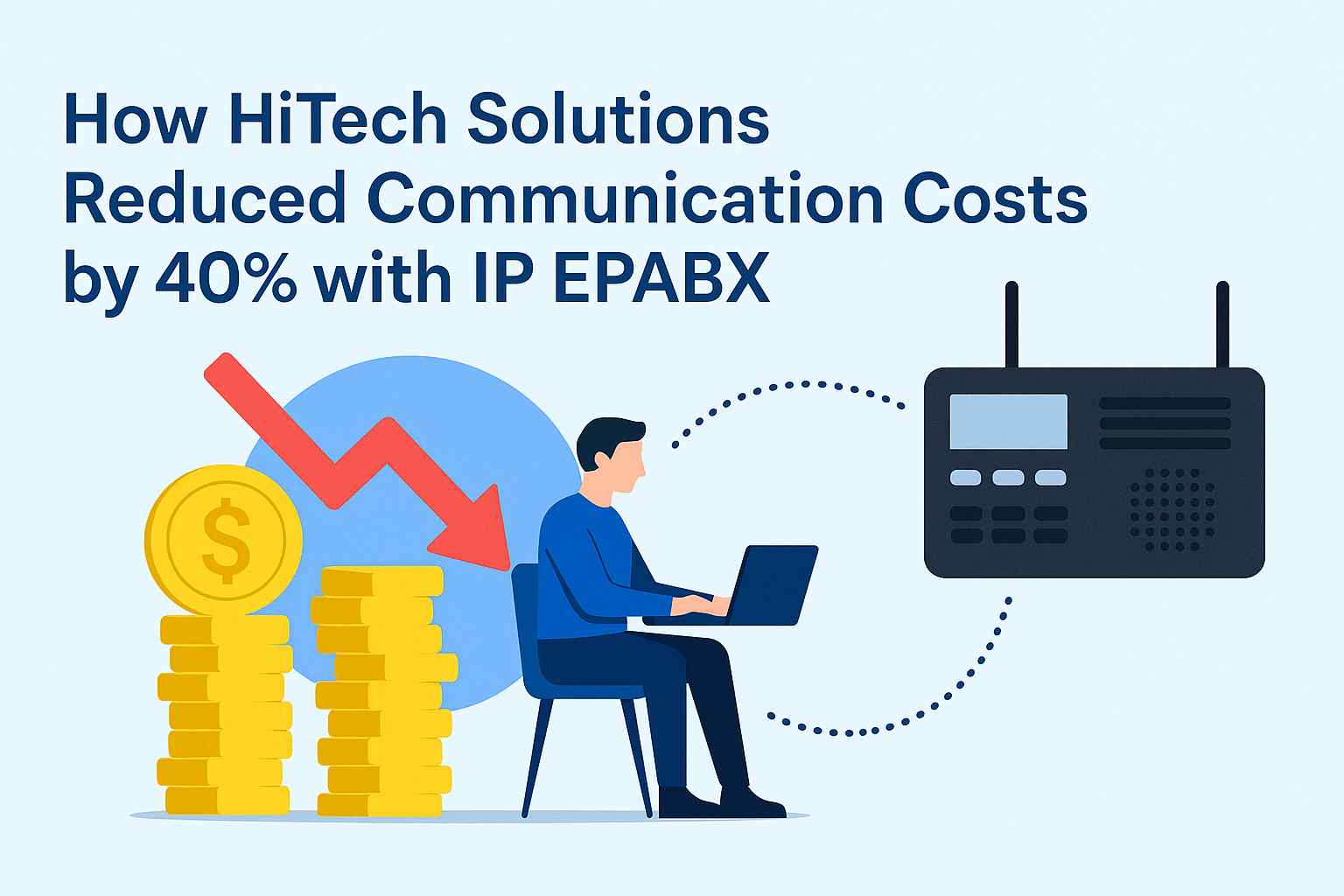
The cost savings were immediate and substantial. TechFlow’s monthly communication costs dropped from ₹45,000 to ₹27,000 – a reduction of exactly 40%. This represented annual savings of over ₹2.16 lakhs, which more than justified the initial investment in the IP EPABX system.
The savings came from multiple sources. Long-distance and international calls were now routed through VoIP channels, reducing per-minute costs by up to 70%. The elimination of expensive hardware maintenance contracts saved an additional ₹8,000 per month. Line rental fees were reduced as the system required fewer traditional phone lines.
Operational Improvements
Beyond the direct cost savings, TechFlow experienced significant operational improvements that translated into increased productivity and revenue.
Enhanced Call Quality Metrics
Call quality improved dramatically. Customer complaints about audio issues dropped by 85%, and internal surveys showed that 95% of employees rated the new system’s call quality as “excellent” or “very good.” This improvement in call quality had a direct impact on customer satisfaction and sales conversion rates.
The system’s reliability also improved significantly. Unplanned downtime was reduced to virtually zero, and the few planned maintenance windows were scheduled during off-peak hours to minimize impact.
Productivity Gains
The integration with their CRM system resulted in measurable productivity improvements. Sales representatives reported that they could handle 20% more calls per day thanks to features like automatic call logging and screen pops. Customer service response times improved by 15%, leading to higher customer satisfaction scores.
The advanced reporting capabilities provided management with unprecedented visibility into communication patterns. This data-driven approach enabled them to optimize staffing levels and identify training opportunities for their teams.
Long-Term Impact and ROI Analysis
The benefits of TechFlow’s IP EPABX implementation extended far beyond the initial cost savings and quality improvements.
Year-Over-Year Performance
Twelve months after implementation, TechFlow’s communication costs had remained stable despite a 25% increase in call volume. Their old system would have required expensive hardware upgrades and additional phone lines to handle this increased capacity.
The system’s advanced analytics revealed interesting patterns in their communication behavior. Management used this data to optimize their operations, resulting in additional cost savings and efficiency improvements.
Scalability Benefits
As TechFlow continued to grow, their IP EPABX system scaled effortlessly with their needs. Adding new employees simply required configuring additional extensions – no expensive hardware purchases or complex installations were necessary.
The system’s flexibility also enabled TechFlow to experiment with new business models. They were able to quickly set up remote working capabilities during the pandemic, something that would have been impossible with their old system.
Key Lessons Learned
TechFlow’s successful implementation provided valuable insights that other businesses can apply to their own communication challenges.
First, the importance of proper planning cannot be overstated. The comprehensive assessment and phased implementation approach ensured that the project stayed on track and delivered the expected results.
Second, user training and change management are critical success factors. Even the most advanced technology will fail if users don’t understand how to use it effectively. Investing in comprehensive training pays dividends in terms of user adoption and overall system effectiveness.
Finally, choosing the right technology partner makes all the difference. HiTech Solutions’ expertise in IP EPABX systems and commitment to customer success were instrumental in achieving TechFlow’s outstanding results.
Why Choose HiTech Solutions for Your Communication Needs
TechFlow’s success story isn’t unique – it’s just one example of how HiTech Solutions helps businesses transform their communication infrastructure. Our comprehensive approach combines cutting-edge technology with deep industry expertise to deliver solutions that exceed expectations.
We understand that every business has unique communication needs. That’s why we take the time to understand your specific requirements and design customized solutions that address your challenges while positioning you for future growth.
Our team’s expertise spans the entire spectrum of communication technologies, from traditional telephony to cloud-based solutions. We stay current with the latest technological developments to ensure that our clients always have access to the most advanced and cost-effective solutions available.
Located in Chennai with extensive experience serving businesses across Tamil Nadu, we understand the local market dynamics and regulatory requirements. Our proximity to your business ensures responsive support and quick resolution of any issues that might arise.
Conclusion
TechFlow Industries’ journey from expensive, unreliable communication systems to a modern, cost-effective IP EPABX solution demonstrates the transformative power of the right technology implemented correctly. Their 40% cost reduction, combined with significant improvements in call quality and operational efficiency, shows that substantial returns on investment are not just possible – they’re achievable with the right approach.
The key to TechFlow’s success wasn’t just the technology itself, but the comprehensive approach taken by HiTech Solutions. From initial assessment through implementation and ongoing support, every aspect of the project was carefully planned and executed to ensure maximum benefit.
If your business is struggling with high communication costs, poor call quality, or outdated phone systems, TechFlow’s story should inspire you to take action. The technology exists to solve these problems, and the expertise to implement it successfully is available right here in Chennai.
Don’t let communication challenges hold your business back. Contact HiTech Solutions today to learn how we can help you achieve similar results. Your success story could be next.
Frequently Asked Questions
Q1: How long does it typically take to implement an IP EPABX system?
A: The implementation timeline depends on the complexity of your requirements and the size of your organization. For most businesses like TechFlow, the complete implementation takes 2-4 weeks, including planning, installation, configuration, and training. Simple installations can be completed in as little as one week, while complex multi-location deployments may take longer.
Q2: Will we experience any downtime during the migration to IP EPABX?
A: HiTech Solutions uses a phased migration approach that minimizes downtime. In most cases, we can implement the new system during weekends or after business hours. For critical operations, we can configure parallel systems to ensure zero downtime during the transition period.
Q3: Can IP EPABX systems integrate with our existing CRM and business applications?
A: Yes, modern IP EPABX systems are designed to integrate seamlessly with popular CRM platforms and business applications. This integration enables features like automatic call logging, screen pops, and click-to-dial functionality, which can significantly improve productivity and customer service quality.
Q4: What kind of cost savings can we realistically expect from switching to IP EPABX?
A: While results vary depending on your current setup and usage patterns, most businesses see cost reductions of 30-50% within the first year. The savings come from reduced line rental fees, lower call charges (especially for long-distance and international calls), and eliminated hardware maintenance costs.
Q5: What ongoing support and maintenance is required for IP EPABX systems?
A: IP EPABX systems require minimal ongoing maintenance compared to traditional phone systems. HiTech Solutions provides comprehensive support packages that include remote monitoring, regular updates, and 24/7 technical support. Most routine maintenance tasks can be performed remotely, reducing the need for on-site visits and associated costs.