Remember the last time you missed an important client call because your phone system crashed? Or when you had to physically visit the office just to access voicemail? If you’re still using a traditional phone system, you’re not just dealing with inconvenience—you’re leaving money on the table.
The telecommunications landscape has transformed dramatically, and businesses that haven’t upgraded to an IP-based EPABX system are discovering they can’t compete with more agile competitors. But here’s the good news: making the switch doesn’t have to be complicated or expensive.
What Exactly Is an IP-Based EPABX System?
Let’s start with the basics. An IP-based EPABX (Internet Protocol Electronic Private Automatic Branch Exchange) system is a modern business phone solution that uses your internet connection instead of traditional telephone lines to handle calls.
Think of it this way: your traditional EPABX was like sending letters through postal mail—it worked, but it was slow and limited. An IP EPABX system is like switching to email—faster, more flexible, and packed with features you never knew you needed.
The Core Components
An IP-based EPABX system consists of several key elements:
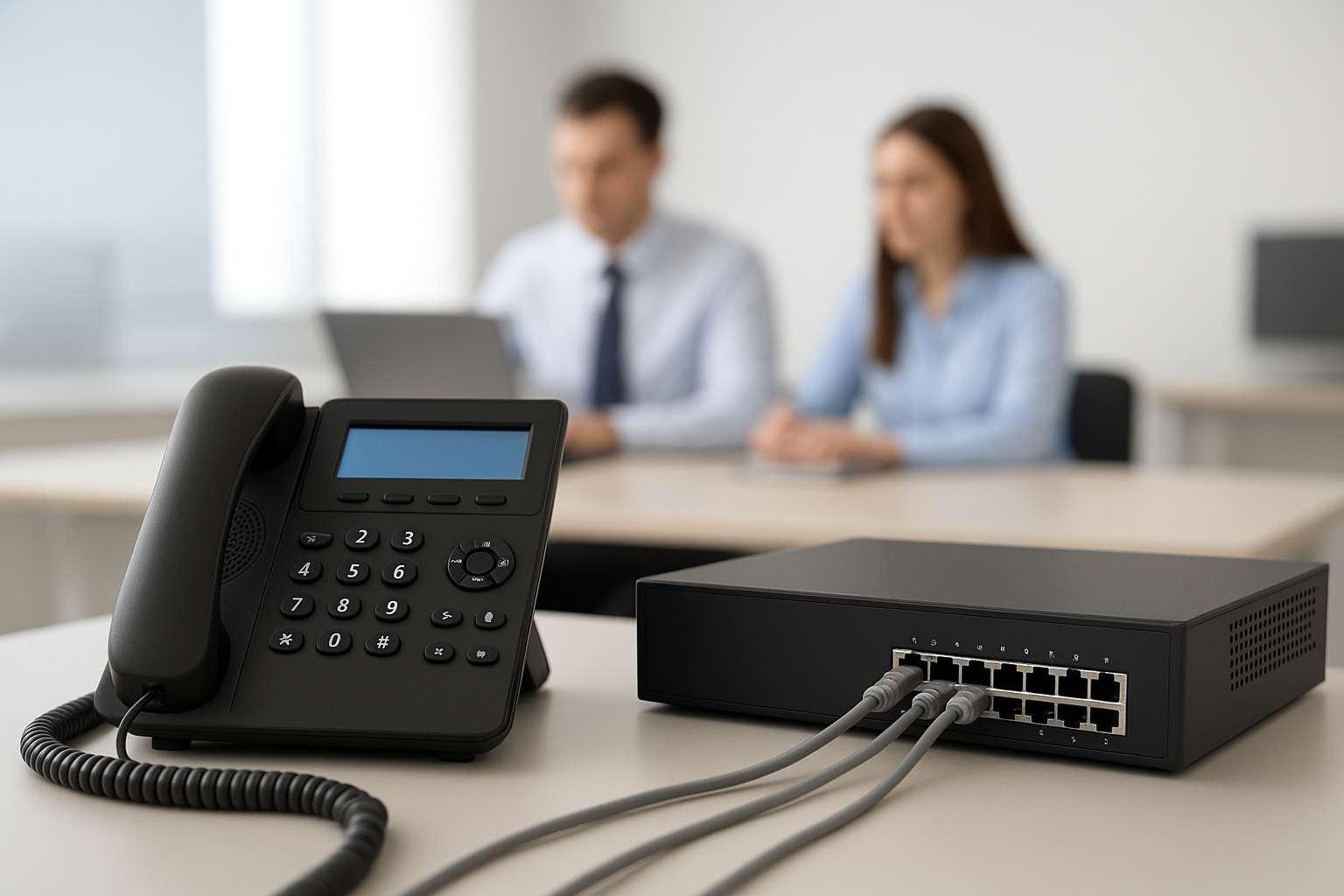
IP PBX Server: The brain of your system, managing all call routing and features. This can be hardware-based (a physical device in your office) or cloud-based (hosted by a service provider).
IP Phones: These look like regular desk phones but connect to your network via Ethernet cables. They’re smarter than traditional phones, with built-in displays and programmable buttons.
VoIP Gateway: This bridges the gap between your IP system and traditional phone lines, allowing you to maintain existing phone numbers while transitioning to IP technology.
Network Infrastructure: Your existing internet connection and local network become the highway for voice communications.
The Real Problems Traditional Systems Create
Before we dive into solutions, let’s talk about the pain points you’re probably experiencing right now.
1. Sky-High Maintenance Costs
Traditional EPABX systems require specialized technicians for every little change. Want to add a new extension? That’s a service call. Need to change call routing? Another visit. These costs add up quickly, often running into thousands annually.
One business owner in Chennai told us they were spending ₹50,000 yearly just on routine EPABX maintenance and repairs, not including emergency fixes.
2. Limited Flexibility
In today’s hybrid work environment, your phone system should work wherever your employees are. Traditional systems chain employees to their desks. An IP-based EPABX system lets your team take calls on their laptops, smartphones, or home offices seamlessly.
3. Missing Critical Features
Modern customers expect options like automated attendants, voicemail-to-email, call analytics, and CRM integration. Traditional systems either don’t offer these features or charge premium prices for basic functionality.
4. Scalability Nightmares
Growing your business shouldn’t mean ripping out your entire phone system. Yet with traditional EPABX, adding capacity often requires expensive hardware upgrades and lengthy installations.
How IP-Based EPABX Systems Solve These Problems
Cost Savings That Actually Matter
The financial benefits of switching to an IP-based EPABX system extend far beyond the initial investment:
Reduced Call Costs: Long-distance and international calls cost a fraction of traditional rates. Some businesses report saving 40-60% on their monthly phone bills.
Lower Maintenance: Most IP PBX maintenance can be done remotely through software updates. No more waiting for technicians or paying service call fees.
Simplified Infrastructure: By using your existing network, you eliminate duplicate wiring and reduce physical hardware requirements.
Flexibility for Modern Work
An IP-based EPABX system adapts to how people actually work today:
Remote Work Ready: Your sales team in the field, support staff working from home, and office employees all connect to the same system seamlessly. They can make and receive calls as if they’re sitting at their office desk.
Mobile Integration: Install softphone apps on smartphones and tablets, turning any device into a fully-featured business phone with access to all system features.
Hot Desking: Employees can log into any IP phone in the office and access their personal extension, voicemail, and settings—perfect for flexible office spaces.
Advanced Features That Drive Business Growth
This is where IP-based EPABX systems truly shine:
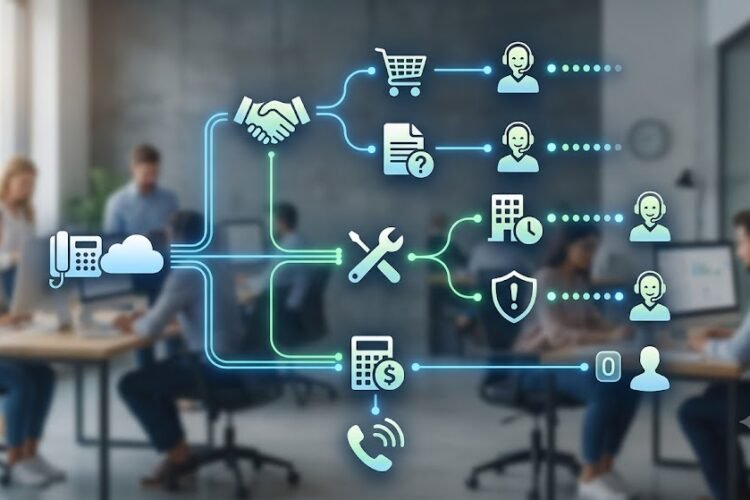
Intelligent Call Routing: Direct customers to the right department or person based on time of day, caller ID, or menu selections. Reduce wait times and improve customer satisfaction.
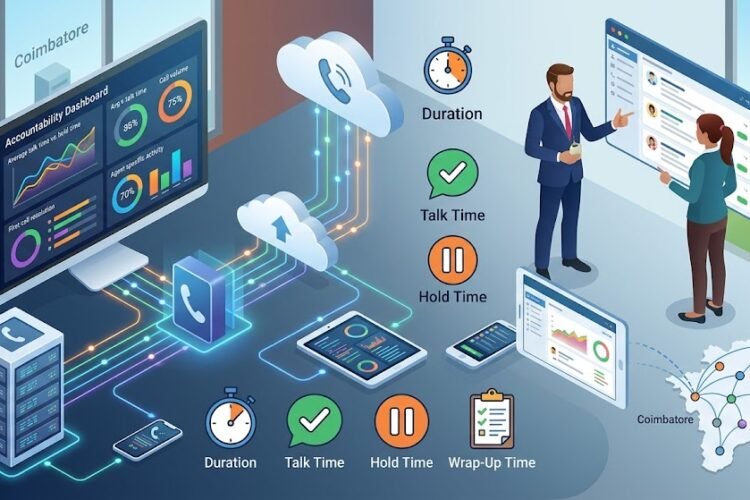
Call Analytics: Generate detailed reports on call volume, duration, peak hours, and agent performance. Make data-driven decisions about staffing and service quality.
CRM Integration: Your phone system talks to your customer database, automatically pulling up customer information when calls arrive and logging call details without manual entry.
Unified Communications: Combine voice, video conferencing, instant messaging, and presence information in one platform. See who’s available before transferring calls.
Call Recording: Automatically record calls for training, quality assurance, or compliance purposes—essential for call center operations.
Setting Up Your IP-Based EPABX System: What to Expect
Many businesses delay the switch because they worry about disruption. Here’s what the process actually looks like:
Phase 1: Assessment and Planning
A professional installer will evaluate your current infrastructure, employee count, call volume, and specific requirements. This typically takes 1-2 days and helps avoid surprises during installation.
For a detailed walkthrough, check our guide on setting up an IP EPABX system for your office.
Phase 2: Network Preparation
Your network needs to prioritize voice traffic to ensure clear call quality. This involves configuring Quality of Service (QoS) settings on your router and switches—technical work that your installer handles.
Phase 3: Installation and Configuration
The actual installation can often be completed in 1-3 days for small to medium businesses. This includes:
- Installing the IP PBX server
- Connecting IP phones
- Programming extensions, voicemail boxes, and call routing rules
- Testing all features and troubleshooting any issues
Phase 4: Training and Go-Live
Your team receives training on using new features—typically a few hours for basic users and more extensive training for administrators. Most employees adapt quickly since IP phones are intuitive.
Security Considerations You Can’t Ignore
With great power comes great responsibility. IP-based EPABX systems connect to the internet, which means security must be a top priority.
Common Security Threats
Toll Fraud: Hackers gain access to your system and make expensive international calls at your expense. Some businesses have lost tens of thousands in a single weekend.
Eavesdropping: Without proper encryption, calls could theoretically be intercepted.
Denial of Service Attacks: Malicious actors could flood your system with traffic, making it unavailable for legitimate calls.
Protection Strategies
Our comprehensive guide on securing IP telephony and preventing toll fraud covers this in detail, but here are the essentials:
Strong Passwords: Use complex passwords for all extensions and admin accounts. Change default passwords immediately.
Network Segmentation: Place your IP phones on a separate VLAN (Virtual Local Area Network) from computers to isolate voice traffic.
Regular Updates: Keep your IP PBX software updated with the latest security patches.
Firewall Configuration: Properly configure firewalls to block unauthorized access while allowing legitimate traffic.
Call Pattern Monitoring: Set up alerts for unusual call patterns, like multiple international calls in the middle of the night.
Choosing the Right IP-Based EPABX System for Your Business
Not all IP-based EPABX systems are created equal. Here’s what to consider:
Size and Scalability
How many extensions do you need now, and how many might you need in three years? Choose a system that can grow with you without requiring replacement.
Small businesses (5-20 users) might start with entry-level systems from Matrix EPABX or Grandstream.
Medium to large businesses (50+ users) benefit from enterprise-grade solutions offering advanced features and reliability.
On-Premise vs. Cloud-Based
On-Premise Systems: You own the hardware and have complete control. Better for businesses with existing IT infrastructure and specific security requirements. Initial costs are higher, but long-term costs can be lower.
Cloud-Based Systems: The provider hosts everything; you just connect IP phones or use software. Lower upfront costs, easier to scale, and maintenance is handled by the provider. Monthly subscription model makes budgeting predictable.
For insights into modern approaches, explore our article on cloud telephony trends in 2025.
Essential Features Checklist
Before making a decision, ensure your chosen system includes:
- Auto-attendant and IVR (Interactive Voice Response)
- Voicemail with email notification
- Call forwarding and transfer
- Conference calling
- Call recording
- Mobile app support
- CRM integration capabilities
- Real-time dashboard and reporting
Integration with Other Business Systems
An IP-based EPABX system shouldn’t exist in isolation. The real power comes from integration:
CRM Integration
When a customer calls, their information automatically appears on your screen. After the call, notes and recordings are saved to their customer record. This eliminates data entry and ensures nothing falls through the cracks.
Biometric Systems
Integration with biometric attendance systems can streamline operations, automatically routing calls based on who’s actually in the office.
Gateway Solutions
GSM gateways allow you to route calls through mobile networks when beneficial, while FXS and FXO gateways let you keep using analog devices during the transition.
Real-World Success Stories
Manufacturing Company in Chennai: After switching to an IP-based EPABX system, they reduced their phone costs by 45% while expanding from 30 to 50 employees without additional infrastructure investments. Remote access allowed executives to stay connected during business travel to Europe.
Customer Service Center in Coimbatore: Implementing ACD (Automatic Call Distribution) and IVR features reduced average wait times by 60% and improved first-call resolution rates by 35%. Call recording helped identify training opportunities for new agents.
IT Services Company: Moving to a cloud-based IP EPABX enabled them to hire talent across India without opening new offices. Their distributed team operates seamlessly, with customers unable to tell whether they’re speaking with someone in Mumbai or Bangalore.
Common Mistakes to Avoid
1. Underestimating Bandwidth Requirements
Voice quality depends on adequate bandwidth. Plan for at least 100 kbps per simultaneous call, plus buffer for network overhead. Poor network planning leads to dropped calls and frustration.
2. Ignoring Network Quality
Your IP-based EPABX system is only as good as your network. Old switches, inadequate cabling, or unreliable internet connections will cause problems. Invest in proper network infrastructure from the start.
3. Choosing Based on Price Alone
The cheapest system often becomes the most expensive when you factor in limited features, poor support, or premature replacement. Focus on total cost of ownership over 3-5 years.
4. Inadequate Training
Even the best system fails if employees don’t know how to use it. Budget time and resources for proper training, and create reference guides for common tasks.
5. No Backup Plan
What happens if your internet goes down? Have a backup internet connection or mobile failover solution to ensure business continuity. Also, implement proper backup and recovery procedures for your system configuration.
The Future of Business Communications
IP-based EPABX systems continue evolving rapidly:
AI Integration: Automated call transcription, sentiment analysis, and intelligent routing based on customer emotion and intent.
5G Impact: Ultra-reliable, low-latency mobile connections make remote work even more seamless.
Advanced Analytics: Predictive analytics help anticipate customer needs and optimize staffing.
Enhanced Collaboration: Tighter integration between voice, video, messaging, and document sharing creates truly unified communications.
Making the Transition: Your Next Steps
Ready to upgrade to an IP-based EPABX system? Here’s how to get started:
- Assess Your Current Situation: Document your existing system, monthly costs, pain points, and desired features.
- Define Your Requirements: How many users? Required features? Budget constraints? Growth projections?
- Consult with Experts: Work with experienced providers who can recommend appropriate solutions. Professional EPABX services in Chennai and Coimbatore can evaluate your specific needs.
- Plan the Transition: Decide whether to switch all at once or phase the transition. Most businesses find phased approaches less disruptive.
- Prepare Your Team: Communicate the benefits, address concerns, and build excitement about new capabilities.
Frequently Asked Questions
Q: How much does an IP-based EPABX system cost?
A: Costs vary widely based on size and features. Small businesses might invest ₹50,000-₹2,00,000 for on-premise systems, while cloud-based solutions run ₹500-₹2,000 per user monthly. Factor in installation, training, and ongoing maintenance when budgeting.
Q: Can I keep my existing phone numbers?
A: Absolutely. Number porting allows you to transfer existing numbers to your new IP-based EPABX system. The process typically takes 7-14 days and your provider handles the paperwork.
Q: What internet speed do I need?
A: A minimum of 1 Mbps per 10 concurrent calls is recommended, but faster is better. For a 20-person office with 10 simultaneous calls, a 10-20 Mbps connection with QoS enabled should suffice.
Q: Will calls work during a power outage?
A: If you have an on-premise system with proper UPS (Uninterruptible Power Supply) backup, yes. Cloud-based systems depend on your internet connection. Consider having a 4G/5G backup router with battery backup for critical situations.
Q: How long does installation take?
A: For small businesses (under 20 users), expect 1-2 days. Medium-sized businesses (20-100 users) typically require 3-5 days. Large enterprises with complex requirements might need 1-2 weeks. These timelines include configuration and basic testing.
Q: Can employees use their personal smartphones?
A: Yes, through softphone applications. Employees install your business phone app on their personal devices, making and receiving calls through your company number while keeping personal and business communications separate.
Q: What happens to my old phone system?
A: Some components might be reusable or have trade-in value. Your installer can advise on environmentally responsible disposal of outdated equipment. In some cases, you can run both systems temporarily during transition.
Q: How secure are IP-based EPABX systems compared to traditional ones?
A: When properly configured, IP systems are very secure. They offer encryption, access controls, and monitoring capabilities that traditional systems lack. However, they require active management—unlike traditional systems where security through obscurity was the norm.
Q: Can I integrate my IP EPABX with Microsoft Teams or Zoom?
A: Many modern IP-based EPABX systems integrate with popular collaboration platforms. This allows you to make business calls through familiar interfaces while maintaining centralized management and reporting.
Q: What ongoing maintenance is required?
A: Regular tasks include software updates (monthly), backup verification (weekly), call quality monitoring (ongoing), and security audits (quarterly). Most can be handled remotely, reducing costs compared to traditional systems.
Conclusion: The Time to Upgrade Is Now
An IP-based EPABX system isn’t just about replacing old technology—it’s about positioning your business for future growth. The question isn’t whether to upgrade, but when.
Every day you wait is another day of paying too much for too little, missing opportunities for better customer service, and limiting your team’s productivity. The technology is mature, the costs are reasonable, and the benefits are immediate.
Whether you’re a small business in Chennai looking to project a professional image, or a growing company in Coimbatore needing flexible communications for a distributed team, an IP-based EPABX system offers the foundation for modern business success.
Don’t let outdated technology hold your business back. Contact us today to discuss your specific needs and discover how an IP-based EPABX system can transform your business communications.
Looking for expert guidance on IP EPABX systems in Chennai or Coimbatore? Visit our complete guide to IP EPABX systems in Chennai or explore our range of solutions and services. We’re here to help you make the right choice for your business.