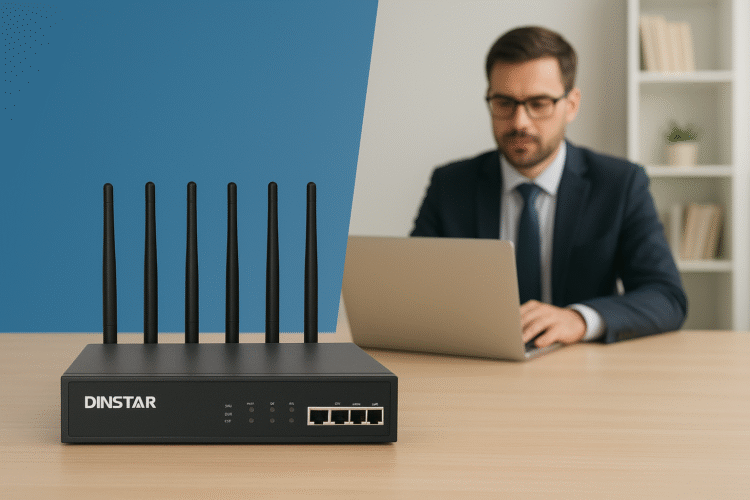
Are you tired of paying exorbitant international call charges? Does your business struggle with connectivity issues when making mobile calls from your office phone system? If you’re nodding yes, you’re not alone. Thousands of businesses across Chennai and Coimbatore face these exact challenges every day, watching their communication costs spiral out of control while their IP EPABX systems remain underutilized.
Here’s the reality: traditional landline-to-mobile calls can cost you 3-5 times more than GSM-to-GSM calls. That’s money bleeding from your business account every single day. But there’s a solution that’s transforming how smart businesses handle their communication infrastructure – GSM Gateway Systems.
In this comprehensive guide, we’ll walk you through everything you need to know about GSM Gateway Systems, why they’re becoming essential for modern businesses, and how to choose the right dealer in Chennai and Coimbatore who can actually deliver results, not just promises.
What is a GSM Gateway System and Why Should You Care?
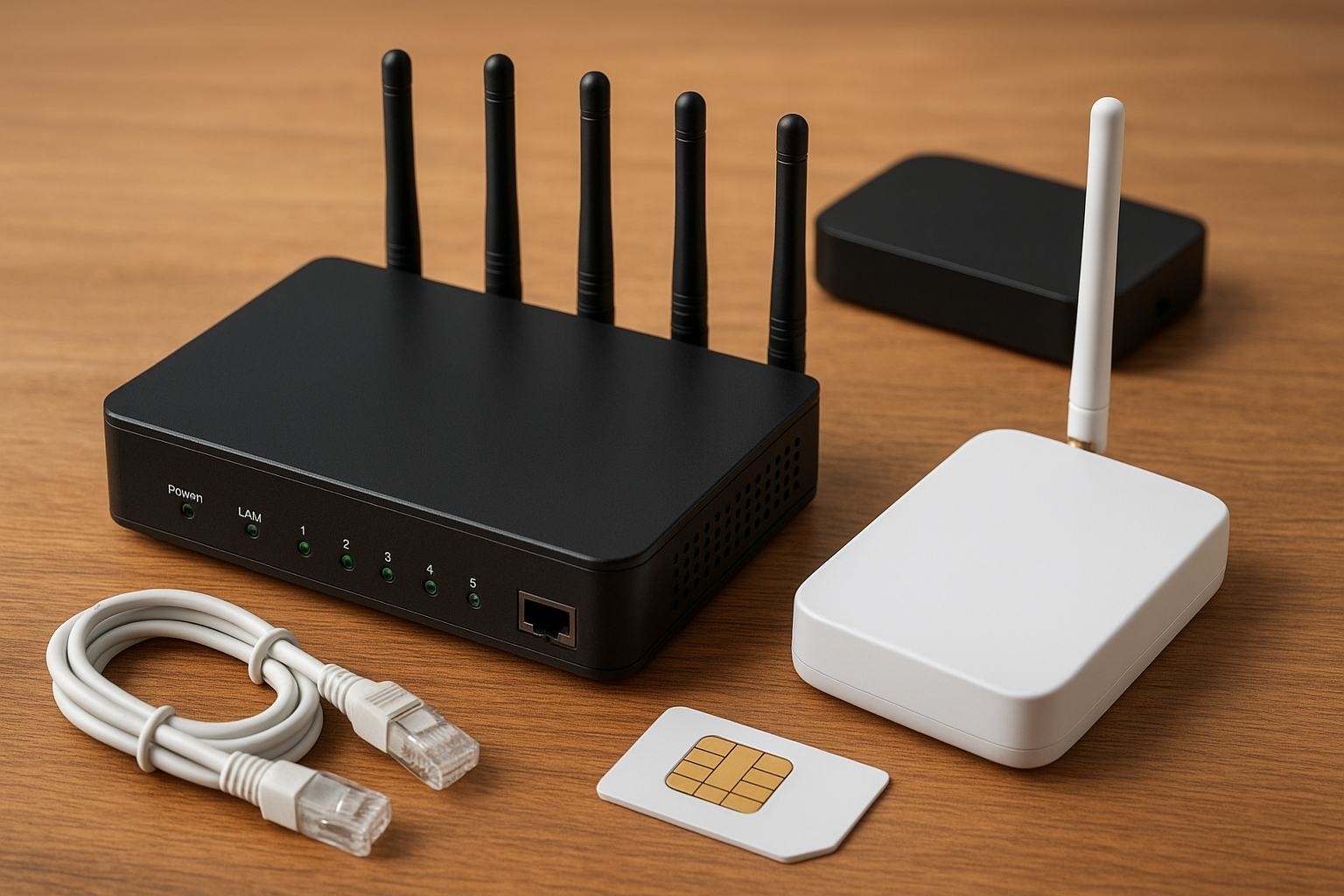
Think of a GSM Gateway as a bridge between two worlds – your office IP EPABX system and the mobile network. It’s a device that converts VoIP calls into GSM calls, allowing you to route calls through SIM cards instead of traditional telephone lines.
Here’s where it gets interesting. When your sales team makes 200 calls daily to mobile numbers, and you’re paying premium rates through your landline, you’re essentially throwing money away. A GSM Gateway intercepts these calls and routes them through GSM SIM cards at mobile-to-mobile rates, which are significantly cheaper – sometimes reducing your call costs by up to 70%.
But cost-saving is just the beginning. GSM Gateways solve several critical business pain points that traditional systems simply cannot address. They provide network redundancy, ensuring your business never goes offline due to landline failures. They enable seamless mobile integration with your existing communication infrastructure. And perhaps most importantly, they give you the flexibility to leverage the best tariff plans from multiple mobile operators simultaneously.
The Hidden Costs of Not Having a GSM Gateway
Let’s talk numbers for a moment. A medium-sized business in Chennai making approximately 500 outbound calls to mobile numbers daily spends roughly ₹25,000-₹35,000 monthly on call charges through traditional landlines. With a GSM Gateway routing those same calls through optimal mobile plans, the cost drops to ₹8,000-₹12,000 monthly. That’s an annual saving of over ₹2 lakhs – money that could be invested in growing your business instead.
Beyond direct cost savings, consider the opportunity costs. When your call center setup relies solely on landlines, you’re vulnerable to service disruptions, limited by operator monopolies, and unable to take advantage of competitive mobile tariffs. Your competitors who’ve implemented GSM Gateways? They’re already operating leaner and more efficiently.
How GSM Gateways Integrate with Modern Communication Systems
The beauty of GSM Gateway technology lies in its seamless integration capabilities. If you’ve already invested in an IP EPABX system, adding a GSM Gateway is remarkably straightforward. It connects to your PBX through SIP trunking, allowing intelligent call routing based on rules you define.
For instance, you can configure your system to route all local mobile calls through GSM while keeping landline routes for specific numbers or international calls. This hybrid approach gives you the best of both worlds – reliability and cost-efficiency. When integrated with unified communications platforms, GSM Gateways become even more powerful, enabling features like automatic failover, least-cost routing, and real-time analytics.
Key Benefits That Make GSM Gateway Systems Indispensable
Dramatic Reduction in Communication Costs
The primary driver for most businesses adopting GSM Gateway systems is cost reduction, and for good reason. Mobile operators in India offer highly competitive tariff plans for mobile-to-mobile calls, often with unlimited calling packages or per-second billing that makes sense for high-volume users.
When you route calls through a GSM Gateway, you’re essentially converting your office system into a mobile caller, accessing these favorable rates. The ROI is typically achieved within 3-6 months, making it one of the fastest-payback technology investments a business can make. For call centers handling thousands of outbound calls daily, the savings can be truly transformative.
Network Redundancy and Business Continuity
Here’s a scenario that keeps business owners awake at night: your main telephone lines go down during peak business hours. Orders can’t be placed, customer support grinds to a halt, and revenue opportunities evaporate. With a GSM Gateway providing an alternate communication path, this nightmare becomes far less likely.
GSM Gateways offer automatic failover capabilities. If your primary landline connection experiences issues, calls automatically route through the GSM network. This redundancy is invaluable for businesses that cannot afford downtime, from emergency services to e-commerce operations where every minute of unavailability translates to lost sales.
Flexibility in Operator Selection and Tariff Optimization
Different mobile operators offer varying tariff structures, coverage patterns, and promotional schemes. A GSM Gateway with multiple SIM slots allows you to cherry-pick the best offerings from each operator. Need to call Airtel numbers frequently? Use Airtel-to-Airtel routing for those calls. Heavy on Jio numbers? Dedicate specific channels for those routes.
This flexibility extends to taking advantage of time-based tariffs, special corporate plans, and promotional offers. Your system can be programmed to automatically select the most cost-effective route for each call based on real-time tariff information, destination, and time of day. It’s like having a smart assistant constantly optimizing your communication costs without any manual intervention.
Scalability That Grows With Your Business
Starting with 10 employees but planning to expand to 50 within a year? GSM Gateways scale beautifully. You can begin with a 4-channel device and add more gateways or upgrade to higher-capacity models as your call volume increases. This modular approach means you’re not over-investing upfront or facing expensive rip-and-replace scenarios later.
The scalability extends to geographic expansion too. Opening a branch in Coimbatore while your main office is in Chennai? Deploy GSM Gateways at both locations and connect them through your IP-based communication network, creating a unified communication infrastructure that operates as one system despite physical distance.
Understanding Different Types of GSM Gateway Systems
Analog GSM Gateways
These connect to traditional analog telephone systems or PBX systems with FXO/FXS ports. They’re ideal for businesses still operating legacy EPABX systems but wanting to reduce mobile calling costs without a complete infrastructure overhaul. Analog GSM Gateways typically support 1 to 8 GSM channels and are relatively simple to configure.
The main advantage here is backward compatibility. If you’ve invested significantly in traditional telephony equipment and aren’t ready for a complete digital transformation, analog GSM Gateways provide a bridge solution that delivers immediate cost savings while you plan your eventual migration to full IP telephony.
VoIP GSM Gateways
These are designed specifically for IP-based communication systems. They connect directly to your network and communicate with your IP PBX through SIP protocol. VoIP GSM Gateways offer more advanced features, including remote management, detailed call analytics, and seamless integration with modern communication platforms.
If you’re operating an IP EPABX system, VoIP GSM Gateways are your natural choice. They support features like SIP registration, codec negotiation, and QoS management, ensuring high-quality calls while maintaining the cost benefits of GSM routing.
Multichannel vs. Single Channel Gateways
The choice between multichannel and single-channel gateways depends entirely on your call volume. A single-channel gateway handles one simultaneous call, which might suffice for a small office with minimal outbound calling. However, most businesses quickly find single-channel gateways limiting.
Multichannel gateways, ranging from 4 to 32 channels or more, allow multiple simultaneous calls. For a business with 20 employees who frequently make outbound calls, an 8-channel gateway might be appropriate, while a call center operation would require 16 or 32 channels to handle concurrent call volume without blocking.
Choosing the Right GSM Gateway Dealer in Chennai
What Separates Professional Dealers from Resellers
The GSM Gateway market in Chennai is crowded, but not all dealers are created equal. Professional dealers offer comprehensive solutions – they assess your specific requirements, recommend appropriate hardware, handle installation, provide configuration services, and offer ongoing support. They’re invested in your success because they know satisfied customers become repeat customers and referral sources.
Resellers, on the other hand, simply push boxes. They lack deep technical knowledge, offer minimal post-sale support, and disappear when you encounter issues. The price difference might be tempting, but the hidden costs of poor implementation, configuration problems, and lack of support quickly overshadow any initial savings.
When evaluating dealers, look for those who ask detailed questions about your call patterns, existing infrastructure, growth plans, and specific pain points. A dealer who immediately quotes a price without understanding your needs is probably not someone who’ll be there when things go wrong at 3 PM on a busy Friday.
Technical Expertise and Certification
Your ideal GSM Gateway dealer should have certified technicians who understand both the hardware and the broader communication ecosystem. They should be comfortable discussing SIP protocol, codec selection, network infrastructure requirements, and integration with various PBX brands.
Ask about their experience with your specific PBX system. Different manufacturers have different quirks and configuration requirements. A dealer who’s successfully deployed GSM Gateways with your exact PBX model brings invaluable practical knowledge that prevents implementation headaches.
Certifications from major GSM Gateway manufacturers like Dinstar, Synway, or AddPac indicate serious commitment to technical excellence. These certifications require ongoing training and staying current with product developments, ensuring the dealer can handle both installation and troubleshooting effectively.
After-Sales Support and Service Agreements
Here’s where many businesses learn expensive lessons. You’ve installed your GSM Gateway, it’s working beautifully, saving money daily. Then six months later, something goes wrong. You call your dealer and… nothing. They’re unresponsive, they’ve gone out of business, or they simply don’t care about post-sale support.
Professional dealers offer clear service level agreements (SLAs), defining response times for issues, availability of support personnel, and procedures for hardware replacement if needed. They provide remote monitoring services, proactively alerting you to potential issues before they impact operations.
Ask potential dealers about their average response time for support calls. Request references from existing customers and actually call them to inquire about their support experience. The quality of after-sales support often matters more than the initial installation expertise, because technology inevitably encounters issues that require expert resolution.
Transparent Pricing and No Hidden Costs
Beware of dealers offering suspiciously low prices. GSM Gateway systems involve multiple cost components: hardware cost, installation charges, configuration services, and potentially licensing fees for advanced features. A transparent dealer breaks down all these costs upfront, ensuring no surprises later.
Some dealers quote low hardware prices but inflate installation and configuration charges. Others might offer attractive package pricing but use inferior hardware or cut corners on installation quality. The cheapest option rarely proves economical over the system’s lifecycle when accounting for reliability issues, support costs, and reduced performance.
Request detailed quotations that itemize every cost component. Ask about warranty terms, what’s covered and what’s not, and costs for extended support contracts. Understanding the total cost of ownership over 3-5 years provides much better decision-making information than simply comparing initial purchase prices.
GSM Gateway Solutions in Coimbatore: What Makes it Different
The Coimbatore Business Landscape
Coimbatore’s industrial character creates unique communication requirements. The city’s strength in manufacturing, textiles, and engineering means many businesses operate across multiple locations – factory floors, administrative offices, sales offices, and warehouses. Connecting these diverse locations efficiently requires sophisticated communication infrastructure.
GSM Gateway systems excel in this environment. They enable unified communication across distributed locations without expensive dedicated connectivity between sites. A manufacturer with operations in Coimbatore and sales offices in Chennai can deploy GSM Gateways at each location, creating a private mobile network where inter-office calls cost virtually nothing while maintaining independent connectivity to external mobile and landline networks.
Local Support Infrastructure in Coimbatore
While Coimbatore’s technology ecosystem is robust, it’s smaller than Chennai’s, making local support presence crucial. Dealers with actual technical staff and service centers in Coimbatore respond faster to issues and understand local infrastructure quirks that impact GSM Gateway performance.
Network coverage varies across Coimbatore, with some operators offering better signals in industrial areas while others excel in commercial districts. Local dealers understand these patterns and can recommend optimal operator selections and antenna placements to ensure reliable connectivity.
Cost Advantages and Regional Considerations
Operating costs in Coimbatore tend to be lower than Chennai, and this extends to communication infrastructure services. Installation charges, AMC costs, and support fees are often more favorable, though equipment costs remain similar across both cities. For businesses with multiple locations, having a dealer network that covers both Chennai and Coimbatore ensures consistent service quality and potentially better volume pricing.
Implementation Best Practices for GSM Gateway Systems
Conducting a Thorough Requirements Analysis
Before purchasing any GSM Gateway system, conduct detailed analysis of your communication patterns. How many simultaneous outbound calls do you typically make? What percentage are mobile calls versus landlines? What are your peak calling hours? Which mobile operators do your customers primarily use?
This analysis reveals your actual channel requirements and helps optimize operator selection. Many businesses over-purchase capacity “just in case,” tying up capital unnecessarily, while others under-purchase and face frustrating call blocking during peak hours. Right-sizing based on actual usage patterns, with modest buffer capacity, provides the sweet spot.
Consider using your PBX’s call detail records (CDR) to analyze three to six months of calling patterns. This historical data provides reliable sizing information and highlights patterns you might not recognize intuitively, like specific times when concurrent calls spike or particular destination patterns that could benefit from dedicated routing rules.
Proper Installation and Network Configuration
GSM Gateway installation is not merely connecting cables and powering up. Proper installation involves network integration, security configuration, call routing rules setup, and thorough testing. Shortcuts during installation invariably cause problems later, from poor call quality to security vulnerabilities like toll fraud.
Network placement matters significantly. Your GSM Gateway needs stable network connectivity to your PBX and adequate mobile signal reception for the GSM modules. Sometimes external antennas are necessary to achieve reliable signal strength, particularly in buildings with thick walls or locations with marginal mobile coverage.
Security configuration cannot be overlooked. Unsecured GSM Gateways become targets for toll fraud, where unauthorized users exploit your system to make international calls, generating massive bills you’re responsible for. Proper firewall rules, strong authentication, regular password changes, and connection logging are essential security practices.
Testing and Optimization
After installation, comprehensive testing ensures everything works as intended. Make test calls to various destinations, verify call quality, test failover scenarios by disconnecting primary lines, and confirm that call routing rules execute correctly. Testing should span several days to catch time-dependent behaviors and ensure the system performs consistently across different network conditions.
Optimization is an ongoing process. Monitor call quality metrics, analyze cost savings against projections, review call distribution across channels to ensure balanced utilization, and adjust routing rules based on actual usage patterns. Many businesses find that their initial configuration needs refinement after several weeks of real-world use.
Modern GSM Gateways provide detailed reporting and analytics. Use these tools to track performance, identify issues proactively, and continuously optimize for cost and quality. The goal is not just a working system but an efficiently operating system that delivers maximum value.
Integration with IP EPABX and Unified Communications
Creating a Seamless Communication Ecosystem
The true power of GSM Gateway systems emerges when integrated holistically with your broader communication infrastructure. When your IP EPABX, GSM Gateway, and unified communications platform work as one cohesive system, you achieve capabilities that none provides individually.
For example, your IP PBX can route calls based on sophisticated rules: local mobile calls go through the GSM Gateway using the most cost-effective operator, international calls route through VoIP services, landline calls use traditional PSTN, and if everything fails, backup GSM channels take over. This intelligent routing happens transparently to users, who simply dial normally while the system optimizes behind the scenes.
Enabling Advanced Features Through Integration
Integration unlocks features like unified voicemail, where messages from GSM channels, VoIP lines, and traditional extensions all appear in one interface. Call recording works across all channels, crucial for quality assurance and compliance. Presence information shows colleagues’ availability regardless of whether they’re on desk phones, mobile extensions, or remote VoIP connections.
For businesses using ACD and IVR systems for customer service, GSM Gateway integration provides additional queue handling capacity and outbound calling capabilities for callbacks and proactive customer contact. The system becomes a true omnichannel communication platform rather than disconnected tools.
Mobile Extension and Remote Worker Support
With proper integration, your GSM Gateway can support mobile extensions, where employees’ mobile phones become extensions of the office PBX. They can make and receive calls using the office number, access PBX features like transfer and conference from their mobile, and stay connected to the office system even when traveling.
This capability has become essential in today’s hybrid work environment. Employees working from home, traveling for business, or based in remote offices maintain full integration with your communication system. Customers calling your office number can be seamlessly transferred to employees’ mobile phones without knowing they’re not in the office, maintaining professional image while enabling flexibility.
Troubleshooting Common GSM Gateway Issues
Call Quality Problems and Solutions
Poor call quality is the most common complaint with GSM Gateway systems, but it’s usually easily resolved. The primary culprit is typically poor mobile signal reception at the gateway location. Installing external antennas with proper positioning dramatically improves signal quality and stability.
Network congestion can also impact call quality. If your data network is saturated with other traffic, VoIP packets may be delayed or lost, causing choppy audio. Implementing Quality of Service (QoS) rules that prioritize voice traffic ensures consistent call quality even when network utilization is high.
Sometimes quality issues stem from codec mismatches. Ensure your PBX and GSM Gateway use compatible codecs with appropriate bandwidth allocation. G.711 provides excellent quality but uses more bandwidth, while G.729 is more bandwidth-efficient but requires codec licensing on some systems.
SIM Registration and Network Connectivity Issues
GSM Gateways occasionally experience SIM registration problems where one or more channels fail to register on the mobile network. This might indicate weak signal, SIM card issues, or problems with the mobile account. Systematically checking signal strength, trying the SIM in a standard mobile phone, and verifying account status with the operator helps isolate the cause.
Some operators implement restrictions on devices that make unusually high call volumes, suspecting SIM box fraud. Using dedicated corporate SIM cards rather than consumer plans and registering your gateway device with the operator can prevent these issues. Professional dealers handle these operator relationships and know which plans work reliably for gateway applications.
Configuration and Routing Problems
Calls not routing correctly often indicate configuration errors in your dial plan or trunk settings. Double-check that your PBX correctly identifies the GSM Gateway trunk and routes appropriate calls to it. Verify that the gateway’s outbound calling rules correctly handle different number formats and apply proper prefixes or transformations.
Testing individual components helps isolate problems. Can you make calls directly through the gateway’s web interface? If yes, the issue is in PBX-to-gateway communication. If no, the problem is with the gateway’s GSM connectivity or configuration. Systematic troubleshooting prevents wasting time chasing red herrings.
ROI Calculation and Business Case Development
Building the Financial Justification
Most businesses find GSM Gateway systems easily justify themselves financially, but documenting the business case properly helps secure budget approval and sets benchmarks for measuring success. Start by calculating your current mobile calling costs over the past 6-12 months. Break this down by destination types (local mobile, STD mobile, international) to understand your actual usage patterns.
Next, research GSM mobile tariff plans that match your usage profile. Many operators offer unlimited calling plans or high free-minute bundles that make per-minute costs negligible for heavy users. Calculate your projected costs routing these same calls through GSM channels using these plans. The difference represents your potential savings.
Beyond Direct Cost Savings
While cost reduction is compelling, don’t overlook other benefits when building your business case. Network redundancy prevents costly downtime – what’s the cost of losing phone service for even one hour during business operations? Quantifying downtime risk helps justify redundancy investments.
Improved employee productivity from better mobile integration, simplified communications management, and reduced time dealing with connectivity issues also deliver value. These soft benefits are harder to quantify but real nonetheless. Even conservatively estimating them adds weight to your business case.
Payback Period and Long-Term Value
With hardware costs for a typical 8-channel GSM Gateway system around ₹40,000-₹80,000 including installation, and monthly savings often exceeding ₹10,000-₹20,000, payback periods of 3-6 months are common. After payback, those savings flow directly to your bottom line, making the long-term value proposition extremely attractive.
Consider the system’s useful life when calculating total value. Quality GSM Gateways reliably operate for 5-7 years with minimal maintenance. Over this period, cumulative savings can reach ₹6-15 lakhs for a medium-sized business, representing excellent return on a relatively modest initial investment.
Future Trends in GSM Gateway Technology
Integration with Cloud Communications
The communication industry is rapidly moving toward cloud-based solutions, and GSM Gateway technology is evolving accordingly. Next-generation gateways support direct cloud platform integration, enabling deployment models where the gateway in your office connects to a cloud-hosted PBX rather than on-premises equipment.
This hybrid approach provides the cost benefits of GSM routing while leveraging cloud platforms’ advanced features, automatic updates, and geographic redundancy. For businesses planning communication infrastructure modernization, choosing GSM Gateways with strong cloud integration capabilities ensures future compatibility as you migrate systems.
AI and Intelligent Call Routing
Emerging GSM Gateway systems incorporate artificial intelligence for predictive optimization. These smart systems learn your calling patterns and automatically adjust routing rules to minimize costs and maximize quality based on historical performance data, real-time operator conditions, and predicted traffic patterns.
Machine learning algorithms can detect anomalous calling patterns that might indicate toll fraud, proactively alerting administrators to potential security issues before they generate significant costs. This intelligence layer transforms GSM Gateways from passive routing devices into active communication optimization tools.
5G and Next-Generation Mobile Networks
As 5G networks expand across India, GSM Gateway technology is adapting to leverage these faster, more reliable mobile connections. 5G-capable gateways will support higher-quality voice codecs, more simultaneous channels per physical device, and enhanced services like video calling routing through mobile networks.
The increased capacity and reduced latency of 5G networks also enable new applications, like routing conference calls or video meetings through mobile networks when broadband connectivity is unavailable or unreliable. Forward-looking businesses should consider 5G compatibility when selecting GSM Gateway solutions to ensure longevity of their investment.
Frequently Asked Questions
Q: How many channels do I need for my business?
Calculate your typical concurrent outbound calls during peak hours. If you regularly have 5-8 simultaneous calls to mobile numbers, an 8-channel gateway provides appropriate capacity with modest buffer. For call centers, estimate 1 channel per 3-4 agents as a starting point, then monitor actual utilization and adjust. Under-purchasing capacity causes call blocking, while over-purchasing wastes capital – analyzing your actual call patterns provides the right answer for your specific situation.
Q: Can GSM Gateways work with any IP PBX system?
Most modern IP PBX systems support GSM Gateway integration through standard SIP trunking. Compatibility is generally not an issue with popular PBX brands like Asterisk, FreePBX, 3CX, Grandstream, or Yeastar. However, configuration complexity varies by PBX type. Discussing your specific PBX model with your dealer ensures smooth integration and proper setup. Some older analog PBX systems require analog GSM Gateways rather than VoIP models.
Q: What happens if mobile network goes down?
Quality GSM Gateways support multiple SIM cards from different operators. If one network experiences issues, calls automatically failover to alternative operators. Additionally, your system should maintain traditional landline or VoIP trunks as ultimate failover. Proper configuration ensures calls always complete through available paths, maintaining business continuity even when one network fails.
Q: Is it legal to use GSM Gateways in India?
Yes, using GSM Gateways for legitimate business communication is perfectly legal in India. However, using them to circumvent interconnect charges between networks (called SIM box fraud) is illegal. When you purchase genuine SIM cards from authorized operators for your business use and route your own calls through them, you’re operating completely within legal boundaries. Professional dealers only support legitimate business applications.
Q: How do I prevent toll fraud with GSM Gateway systems?
Implement multiple security layers: strong passwords on all system components, firewall rules restricting access to trusted IP addresses, regular monitoring of call detail records for unusual patterns, limit on maximum call duration and frequency, and geographical restrictions on allowed destinations. Additionally, use automatic alerts for suspicious activity and require authentication for international calling. Professional dealers configure these security measures during installation.
Q: What’s the difference between GSM Gateway and SIP trunk?
SIP trunks connect your PBX to operators’ VoIP networks over internet connections, while GSM Gateways route calls through mobile networks using physical SIM cards. SIP trunks typically offer better quality and more features but don’t provide the mobile network cost advantages or backup connectivity that GSM Gateways deliver. Many businesses use both: SIP trunks for primary calling and GSM Gateways for mobile termination and backup.
Q: How often do SIM cards need replacement?
In gateway applications with proper environmental conditions, SIM cards typically last 2-3 years. However, factors like poor signal causing frequent re-registration, excessive temperature fluctuations, or physical wear can shorten lifespan. Plan for systematic SIM replacement every 2 years as preventive maintenance. Most issues with “failing” SIM cards actually stem from account problems or network issues rather than physical SIM failure.
Q: Can I use GSM Gateway for incoming calls too?
Absolutely. GSM Gateways handle both outbound and inbound calls. You can configure mobile numbers to ring specific extensions when called, creating mobile DIDs for your business. This is particularly valuable for businesses wanting local mobile presence in different cities without maintaining physical offices. Customers call a local mobile number, but the call routes through your gateway to your centralized PBX system.
Conclusion: Taking the Next Step
GSM Gateway systems represent one of the smartest investments a business can make in communication infrastructure. The combination of immediate cost savings, improved redundancy, operational flexibility, and future-proof scalability makes them essential for any business serious about optimizing communication expenses while maintaining quality.
Whether you’re in Chennai’s bustling IT corridor or Coimbatore’s manufacturing hub, choosing the right GSM Gateway dealer makes all the difference between a successful implementation that delivers promised benefits and a frustrating experience that fails to meet expectations.
Look for dealers who demonstrate technical expertise, offer comprehensive support, provide transparent pricing, and most importantly, take time to understand your specific needs rather than pushing one-size-fits-all solutions. Your ideal dealer becomes a long-term partner in your communication infrastructure, not just a box supplier.
Ready to slash your mobile calling costs and build a more resilient communication system? Start by analyzing your current call patterns and reaching out to reputable GSM Gateway dealers in your area. The return on investment speaks for itself – the real question is how much longer you can afford to wait.
For businesses ready to modernize their communication infrastructure, GSM Gateway systems are just one component of a comprehensive solution. Consider how they integrate with your IP EPABX system, support your unified communications strategy, and contribute to your overall business continuity planning. The businesses thriving in today’s competitive environment are those that leverage technology to operate more efficiently – and GSM Gateway systems deliver exactly that advantage.