Remember the last time your business phone system went down? That moment of panic when customers couldn’t reach you, internal communication collapsed, and you realized just how dependent your operations are on reliable telephony? You’re not alone. Thousands of businesses in Chennai and across India face this daily struggle with outdated traditional phone systems.
The good news? There’s a solution that’s transforming how modern businesses communicate: the IP PBX system. But what exactly is an IP PBX, and why should you care? Let’s dive deep into this game-changing technology.
Understanding IP PBX: The Foundation of Modern Business Communication
An IP PBX (Internet Protocol Private Branch Exchange) is a sophisticated business phone system that routes voice calls over your internet connection instead of traditional copper telephone lines. Think of it as the brain of your business communication system—managing, routing, and controlling all your voice communications through data networks.
Unlike traditional PBX systems that required expensive proprietary hardware and dedicated phone lines, IP PBX systems leverage your existing internet infrastructure. This fundamental shift has revolutionized business telephony, making enterprise-level features accessible to businesses of all sizes.
The technology behind IP PBX converts voice into digital data packets, transmits them over your network, and converts them back to voice at the destination. This process, known as Voice over IP (VoIP), happens in milliseconds, providing crystal-clear communication without the limitations of traditional phone systems.
How IP PBX Systems Actually Work
At its core, an IP PBX system operates through three main components: IP phones or softphones, the PBX server software, and your network infrastructure. When you make a call, your voice is digitized, compressed, and sent as data packets through your local network or the internet to reach the recipient.
The PBX server acts as the central hub, handling call routing, managing extensions, and providing advanced features like call forwarding, voicemail-to-email, and conference calling. This server can be physical hardware installed on your premises, a virtual machine running on your existing servers, or a cloud-based solution managed by a service provider.
What makes IP PBX particularly powerful is its ability to integrate with other business systems. Need your CRM to automatically pull up customer information when they call? Want to record calls for quality assurance? Looking to analyze call data for business insights? An IP PBX system makes all of this possible through seamless integrations.
The Evolution from Traditional PBX to IP EPABX
The journey from traditional PBX to modern IP EPABX systems represents one of the most significant shifts in business communication technology. Traditional PBX systems, while reliable, were expensive to install, difficult to scale, and limited in functionality. Adding a new extension meant running new wires, calling technicians, and waiting days for implementation.
IP EPABX systems in Chennai changed this paradigm entirely. Today, adding new users is as simple as configuring software settings and connecting a new IP phone to your network. This flexibility has made IP EPABX the preferred choice for growing businesses that need agile communication solutions.
The transformation hasn’t just been about convenience—it’s about capability. Modern IP EPABX systems offer features that were impossible with traditional systems: mobile integration, video conferencing, presence management, and sophisticated call analytics that provide actionable business intelligence.
Why Businesses Are Making the Switch to IP PBX
Pain Point #1: Skyrocketing Communication Costs
One of the most compelling reasons businesses switch to IP PBX is the dramatic cost reduction. Traditional phone systems charge per line, per minute for long-distance calls, and per feature. These costs add up quickly, especially for businesses with multiple locations or international operations.
IP PBX systems leverage your internet connection, eliminating most per-minute charges and reducing monthly phone bills by 40-60% on average. Companies like Hitech Solutions have documented savings of up to 40% after implementing IP EPABX solutions.
Hardware Cost Reduction
Traditional PBX systems required expensive proprietary phones, costly server hardware, and dedicated wiring throughout your facility. IP PBX systems work with standard network infrastructure you already have. You can even use softphones on existing computers and smartphones, eliminating hardware costs entirely for remote workers.
Maintenance and Upgrade Savings
With traditional systems, every upgrade meant replacing hardware and potentially rewiring your office. IP PBX systems receive software updates remotely, adding new features without physical changes or technician visits. This translates to lower ongoing maintenance costs and future-proof technology that evolves with your business needs.
Scalability Without Premium Pricing
Adding capacity to traditional PBX meant purchasing additional hardware modules and installation services. IP PBX scales through software configuration, allowing you to add users, features, or locations without proportional cost increases. This scalability is particularly valuable for seasonal businesses or those experiencing rapid growth.
Pain Point #2: Limited Mobility and Remote Work Challenges
Today’s workforce demands flexibility. Employees need to stay connected whether they’re in the office, working from home, traveling, or on-site with clients. Traditional phone systems tied workers to their desks, creating communication bottlenecks and missed opportunities.
IP PBX systems solve this through unified communications. Your extension follows you wherever you go. Answer office calls on your smartphone, participate in conference calls from your laptop, or check voicemail through email—all seamlessly integrated. This mobility has become essential in the post-pandemic business landscape.
Setting up an IP EPABX system for your office enables this flexibility from day one, ensuring your team stays connected regardless of location.
Supporting Distributed Teams
Modern businesses often have teams spread across multiple cities or countries. IP PBX systems treat all locations as a single network, enabling free internal calls between offices, centralized management, and consistent communication experiences regardless of physical location.
Mobile Integration Features
Advanced IP PBX systems integrate deeply with mobile devices, offering features like mobile twinning (simultaneous ringing of desk and mobile phones), mobile softphone apps that function as full extensions, and the ability to seamlessly transfer calls between devices mid-conversation.
Pain Point #3: Inadequate Features for Modern Business Needs
Traditional phone systems offer basic calling functionality. Modern businesses need sophisticated features to compete effectively: call center capabilities with ACD and IVR, CRM integration, call recording and analytics, video conferencing, and presence management.
IP PBX systems provide enterprise-level features out of the box. Need to understand the difference between ACD and IVR for your customer service operations? IP PBX systems include both, allowing you to route calls intelligently and provide self-service options that reduce wait times and improve customer satisfaction.
Advanced Call Management
IP PBX systems offer sophisticated call handling features including intelligent call routing based on time, caller ID, or skill-based routing for contact centers. Calls can be queued, transferred, parked, and managed with unprecedented control and flexibility.
Integration Capabilities
The power of IP PBX lies in its ability to integrate with business applications. Connect your phone system to your CRM for automatic call logging and screen pops. Integrate with productivity tools for presence information. Link to helpdesk software for ticket creation from voicemails. These integrations eliminate data silos and streamline workflows.
Analytics and Reporting
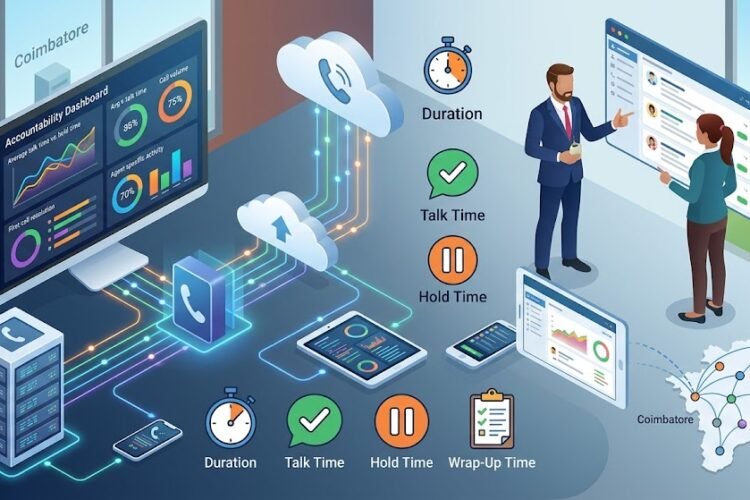
Understanding communication patterns provides valuable business insights. IP PBX systems offer detailed analytics on call volumes, wait times, employee productivity, and customer service metrics. These insights help optimize staffing, identify training opportunities, and improve overall operational efficiency.
Key Components of an IP PBX System
IP Phones and Softphones
IP phones connect directly to your network via Ethernet cables, delivering high-quality voice communications with features like multiple lines, speakerphone, and programmable buttons. Modern IP phones often include color displays, video capabilities, and support for hands-free operation.
Softphones are software applications that turn computers or smartphones into full-featured phones. They’re ideal for remote workers, reducing hardware costs while maintaining full functionality. Users can make and receive calls, access voicemail, and utilize advanced features through intuitive software interfaces.
The PBX Server Infrastructure
The server is the heart of your IP PBX system, managing call routing, storing configurations, and providing advanced features. Businesses can choose between on-premises servers for maximum control, cloud-based solutions for minimal infrastructure investment, or hybrid approaches that balance both advantages.
Understanding the IP EPABX lifecycle from installation through ongoing maintenance helps ensure optimal system performance and longevity.
Gateway Devices for Legacy Integration
Most businesses can’t immediately abandon existing infrastructure. Gateway devices bridge IP PBX systems with traditional phone lines and legacy equipment. Dinstar GSM gateways enable cost-effective mobile connectivity, while FXO gateways connect to traditional phone lines for backup or specific routing needs.
Network Infrastructure Requirements
IP PBX relies on network quality for call clarity. Key requirements include sufficient bandwidth (typically 100 kbps per concurrent call), Quality of Service (QoS) configuration to prioritize voice traffic, proper network switches supporting Power over Ethernet (PoE) for phone power delivery, and robust security measures to protect against threats.
Proper network infrastructure maintenance ensures consistent call quality and system reliability.
Choosing the Right IP PBX Solution for Your Business
On-Premises vs. Cloud-Based vs. Hybrid Systems
On-premises IP PBX gives you complete control over your communication infrastructure. You own the hardware, control the data, and customize the system to exact specifications. This approach suits businesses with IT expertise, strict data requirements, or unique integration needs.
Cloud-based IP PBX (hosted PBX) eliminates infrastructure management, offering predictable monthly costs, automatic updates, and instant scalability. It’s ideal for businesses wanting to focus on core operations rather than managing phone systems, or those with distributed teams requiring flexible deployment.
Hybrid solutions combine both approaches, keeping critical components on-premises while leveraging cloud services for specific features or locations. This flexibility allows businesses to transition gradually or optimize for specific requirements.
Essential Features to Look For
When evaluating IP PBX systems, prioritize features aligned with your business needs:
Core Telephony Features: Call forwarding, transfer, hold, park, pickup, and conference calling form the foundation. These should be intuitive and reliable.
Auto Attendant and IVR: Automated call handling creates professional first impressions and reduces reception workload by routing calls intelligently based on caller input.
Voicemail-to-Email: Receive voicemails as audio attachments in email, enabling faster response and better message management.
Call Recording: Essential for training, quality assurance, and compliance in many industries. Ensure recording capabilities meet your regulatory requirements.
Mobile Integration: Your system should support mobile apps, simultaneous ringing, and seamless handoff between devices.
CRM Integration: Automatic call logging, screen pops with customer information, and click-to-dial functionality streamline customer interactions.
Reporting and Analytics: Understanding call patterns, wait times, and agent performance helps optimize operations and improve service delivery.
Scalability Considerations
Your IP PBX should grow with your business. Consider:
User Capacity: Can the system handle your projected growth? Look beyond current needs to future requirements.
Geographic Expansion: How easily can you add remote offices or locations? Multi-site capability should be straightforward.
Feature Expansion: Can you add advanced features as needs evolve? Flexible licensing models prevent costly replacements.
Performance Under Load: Will the system maintain quality during peak usage? Stress testing and capacity planning are crucial.
Security Features You Can’t Ignore
Securing your IP telephony infrastructure protects against toll fraud, eavesdropping, and unauthorized access. Essential security features include:
Encryption: Voice and signaling encryption prevents eavesdropping on sensitive communications.
Authentication: Strong authentication mechanisms prevent unauthorized system access and toll fraud.
Firewall Integration: Proper firewall configuration protects against external threats while allowing legitimate traffic.
Regular Security Updates: Systems should receive timely patches addressing newly discovered vulnerabilities.
Toll Fraud Prevention: Features like geographical restrictions, unusual usage alerts, and call authorization prevent costly fraudulent usage.
Implementation: Setting Up Your IP PBX System
Planning and Assessment Phase
Successful IP PBX implementation begins with thorough planning. Assess your current communication needs, inventory existing infrastructure, identify integration requirements, and establish clear objectives for the new system.
Document current pain points: Are dropped calls frustrating customers? Is poor call quality impacting professionalism? Do high costs strain budgets? Are features inadequate for business needs? Clear problem identification guides solution selection.
Installation Process
The IP EPABX installation process typically progresses through several phases:
Phase 1: Network Preparation: Ensure network infrastructure meets requirements. This includes bandwidth assessment, QoS configuration, PoE switch installation if needed, and security hardening.
Phase 2: Server Setup: Install and configure the PBX server, whether physical, virtual, or cloud-based. This involves basic system configuration, user account creation, and security settings implementation.
Phase 3: Phone Provisioning: Configure and deploy IP phones or softphones. Modern systems support auto-provisioning, where phones automatically download configurations upon network connection.
Phase 4: Feature Configuration: Set up advanced features like auto attendant, voicemail, call routing rules, and integrations with business applications.
Phase 5: Testing and Validation: Comprehensive testing ensures all features work correctly before full deployment. Test call quality, routing logic, failover mechanisms, and integration points.
Training Your Team
Technology succeeds only when users embrace it. Comprehensive training should cover basic phone operation, advanced features relevant to roles, mobile app usage, and troubleshooting common issues. Consider role-based training sessions, video tutorials for reference, quick-start guides at each desk, and ongoing support during the transition period.
Ongoing Maintenance and Support
IP PBX systems require regular maintenance for optimal performance. A comprehensive IP PBX maintenance guide should include regular system updates, performance monitoring, security audits, backup verification, and capacity planning.
Backup and recovery procedures are critical. Regular backups of system configuration, user data, and call recordings ensure business continuity in case of hardware failure or disaster.
Real-World Applications and Success Stories
Small Business Transformation
A 15-person professional services firm in Chennai struggled with a traditional 6-line phone system. Missed calls due to busy lines cost them business opportunities. After implementing an IP EPABX system, they gained unlimited concurrent calls, mobile integration for field staff, auto attendant for professional call handling, and voicemail-to-email for faster response. The result? Zero missed calls, 30% cost reduction, and improved client satisfaction.
Enterprise Call Center Deployment
A 200-agent customer service center needed sophisticated call routing and analytics. Their IP EPABX call center solution provided skill-based routing, real-time supervisor monitoring, comprehensive call analytics, and CRM integration. Key metrics improved dramatically: average handle time decreased 15%, customer satisfaction scores increased 22%, and agent productivity improved through better training insights.
Multi-Location Retail Chain
A retail chain with 12 locations across Tamil Nadu unified communications through IP PBX. Previously, each location had separate phone systems with no internal connectivity. The unified system enabled free inter-store calls, centralized directory services, consistent customer experience, and consolidated reporting. Communication costs dropped 45% while collaboration between locations improved significantly.
The Future of IP PBX: Trends to Watch
Unified Communications Integration
The future of business telephony lies in unified communications platforms that integrate voice, video, messaging, and collaboration tools. IP PBX systems are evolving into comprehensive communication hubs supporting multiple channels through single interfaces.
AI and Automation
Artificial intelligence is transforming IP PBX capabilities through intelligent call routing based on sentiment analysis, AI-powered voicemail transcription with actionable insights, chatbots integrated with phone systems for 24/7 support, and predictive analytics for resource planning.
5G and Enhanced Mobility
5G networks will enhance mobile integration, enabling higher quality video calls on mobile devices, more reliable connections for remote workers, IoT integration for smart building communications, and seamless roaming between networks without call drops.
Cloud-Native Architectures
Cloud telephony trends point toward cloud-native systems designed from the ground up for distributed deployment, offering superior scalability, resilience, and global reach compared to traditional cloud-hosted solutions.
WebRTC Integration
WebRTC technology enables browser-based communications without plugins or special software. This allows click-to-call from websites, browser-based video conferencing, instant customer support connections, and reduced friction in customer interactions.
Making the Decision: Is IP PBX Right for Your Business?
When IP PBX Makes Perfect Sense
IP PBX is ideal when you’re experiencing any of these situations: high communication costs eating into profits, traditional system limiting business growth, need for remote work capability, inadequate features for modern operations, or multiple locations requiring unified communications.
Investment Considerations
While IP PBX offers significant long-term savings, initial investment varies based on deployment model, business size, and feature requirements. Consider total cost of ownership including hardware (if on-premises), licenses and subscriptions, installation and training, ongoing maintenance, and potential network upgrades.
Most businesses achieve ROI within 12-18 months through cost savings alone, not accounting for productivity improvements and enhanced customer service.
Choosing the Right Partner
Success depends on selecting the right implementation partner. Authorized dealers and experienced providers offer local support, deep technical expertise, proven implementation methodology, and ongoing maintenance services.
Look for partners with relevant certifications from leading manufacturers like Matrix EPABX, NEC, and other established brands. Strong local presence ensures rapid response for support needs and system customization based on regional requirements.
Conclusion: Taking the Next Step
IP PBX systems represent a fundamental shift in business communications—from costly, inflexible legacy systems to agile, feature-rich platforms that grow with your business. The question isn’t whether to adopt IP PBX technology, but when and how.
Whether you’re a small business seeking professional communication capabilities, a growing company needing scalable solutions, or an enterprise requiring sophisticated call center features, IP PBX offers solutions tailored to your needs.
The transformation starts with understanding your specific requirements, evaluating available options, and partnering with experienced providers who can guide implementation and provide ongoing support.
Ready to explore how IP PBX can transform your business communications? The technology has matured, costs have decreased, and benefits are clear. The time to act is now.
Frequently Asked Questions
Q: What’s the main difference between IP PBX and traditional PBX?
A: IP PBX uses your internet connection and network infrastructure for voice communications, while traditional PBX relies on dedicated copper telephone lines. This fundamental difference makes IP PBX more flexible, cost-effective, and feature-rich. IP PBX converts voice to digital data packets transmitted over IP networks, enabling advanced features like mobile integration, unified communications, and seamless multi-location connectivity that traditional PBX cannot provide.
Q: How much does an IP PBX system cost?
A: Costs vary significantly based on deployment model and scale. Cloud-based systems typically range from ₹300-800 per user per month with no upfront hardware costs. On-premises systems require initial investment of ₹50,000-5,00,000 for hardware plus ₹1,500-3,000 per extension, but offer lower long-term costs. Most businesses achieve 40-60% cost reduction compared to traditional phone systems, with ROI typically realized within 12-18 months.
Q: Can I keep my existing phone numbers when switching to IP PBX?
A: Yes, number portability allows you to transfer existing phone numbers to your new IP PBX system. The process typically takes 2-4 weeks depending on your current carrier. Your implementation partner will handle the porting process, ensuring minimal disruption. You can also get new numbers if needed for expansion or multi-location scenarios.
Q: What internet bandwidth do I need for IP PBX?
A: Each concurrent call requires approximately 100 kbps bandwidth (80-100 kbps upstream and downstream). For 10 simultaneous calls, you need at least 1 Mbps dedicated to voice traffic. However, bandwidth alone isn’t sufficient—low latency (under 150ms), minimal packet loss (under 1%), and proper Quality of Service (QoS) configuration are equally important for clear call quality. Most modern business internet connections exceed these requirements.
Q: Is IP PBX secure against hacking and toll fraud?
A: When properly configured, IP PBX systems are highly secure. Essential security measures include strong authentication, encryption of voice and signaling traffic, regular security updates, firewall rules restricting access, and toll fraud prevention features like geographic restrictions and unusual usage alerts. Work with experienced providers who implement security best practices during installation and provide ongoing monitoring.
Q: How long does IP PBX implementation take?
A: Timeline depends on system complexity and business size. Small businesses (5-20 users) can typically deploy cloud-based systems within 1-2 weeks. Medium-sized implementations (20-100 users) take 2-4 weeks. Large enterprise deployments with complex requirements may require 4-8 weeks. The process includes planning, installation, configuration, testing, and training. Phased rollouts can minimize disruption for larger organizations.
Q: Can IP PBX integrate with my existing business software?
A: Yes, modern IP PBX systems offer extensive integration capabilities. Common integrations include CRM systems (Salesforce, Zoho, HubSpot), helpdesk software (Zendesk, Freshdesk), collaboration tools (Microsoft Teams, Slack), and custom applications via APIs. These integrations enable features like screen pop with customer information, automatic call logging, click-to-dial from business applications, and unified communication experiences.
Q: What happens to my phone system if the internet goes down?
A: Quality IP PBX implementations include redundancy and failover mechanisms. Options include automatic failover to mobile phones or backup numbers, redundant internet connections for continuity, offline capability for internal calls on local networks, and cloud-based systems accessible from any internet connection. Discuss disaster recovery requirements with your implementation partner to ensure appropriate backup systems.
Q: Do employees need special training to use IP PBX?
A: Basic IP phone operation is intuitive—similar to traditional phones. Most users adapt within hours. Advanced features require some training, typically 1-2 hours covering relevant capabilities for each role. Modern systems offer user-friendly interfaces, softphone apps with visual controls, and helpful online resources. Ongoing support during transition ensures smooth adoption.
Q: Can I start small and expand my IP PBX system later?
A: Absolutely—scalability is a key IP PBX advantage. Start with essential features and users, then expand as needs grow. You can easily add new users through software configuration, activate additional features when needed, integrate new locations without system replacement, and upgrade capacity without proportional cost increases. This flexibility makes IP PBX ideal for growing businesses.