In the bustling commercial hubs of Chennai and Coimbatore, businesses are constantly seeking ways to optimize operational costs. While electricity and rent are often fixed, one of the most flexible—yet frequently overlooked—expenses is the corporate communication bill. If your office is still relying on traditional analog phone lines, you are likely overpaying for a legacy system that offers a fraction of the utility provided by modern technology.
The transition to modern telephony isn’t just about “going digital”; it’s a strategic financial move. In this comprehensive guide, we will explore exactly how to reduce monthly phone bills using IP EPABX VoIP integration, transforming your communication infrastructure from a cost center into a lean, efficient asset.
Understanding the Financial Drain of Legacy Systems
Before we dive into the solutions, we must address the “why.” Traditional PBX (Private Branch Exchange) systems rely on physical copper wires and Public Switched Telephone Networks (PSTN). These systems come with high rental fees for every single line, expensive long-distance charges, and hefty maintenance costs.
When you integrate Voice over Internet Protocol (VoIP) with an IP EPABX system, your voice traffic travels over the internet. This shift eliminates the need for separate physical lines for every desk, drastically lowering the overhead.
The Architecture of Savings: How VoIP Integration Works
The magic of cost reduction lies in the synergy between hardware and software. An IP EPABX acts as the central brain of your office communication, while VoIP provides the medium.
Consolidating Voice and Data Networks
In a traditional setup, you pay for an internet connection and a separate set of phone lines. By using an IP PBX system, you converge these into a single network. This convergence means you no longer need to pay for 20 different landline rentals. You simply use your existing high-speed internet bandwidth to carry voice packets.
Eliminating Inter-Branch Call Costs
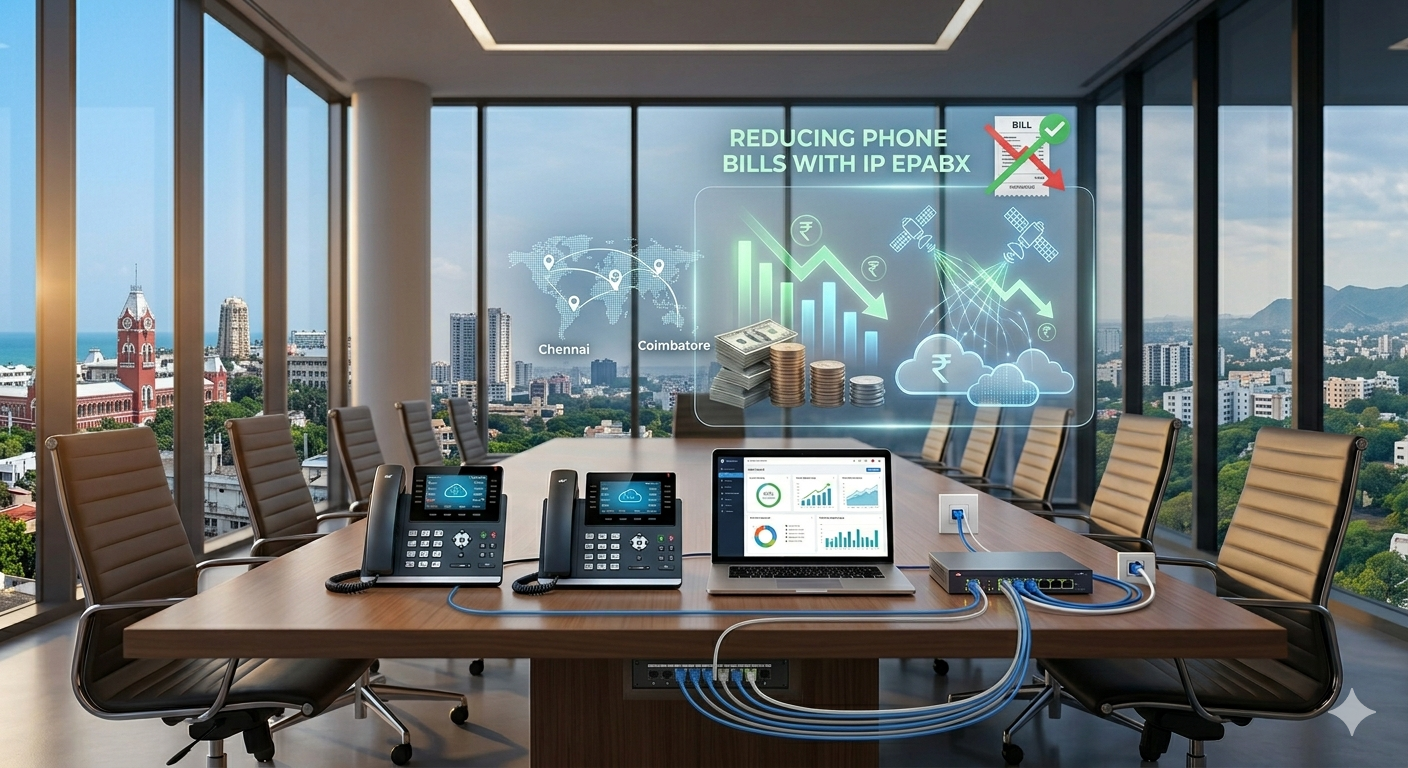
For businesses with multiple locations—perhaps an HQ in Chennai and a branch in Coimbatore—internal communication can get expensive. With IP-based EPABX systems, calls between branches are treated as internal data transfers. This means they are 100% free, regardless of the duration or frequency of the calls.
Strategic Hardware to Maximize Your ROI
To truly see the impact on your monthly bills, selecting the right hardware is crucial. It’s not just about buying a phone; it’s about buying a gateway to lower costs.
Leveraging GSM Gateways for Mobile Savings
A significant portion of business calls is made to mobile numbers. Standard landline-to-mobile rates are often higher than mobile-to-mobile rates. By integrating a Dinstar GSM Gateway, your IP EPABX can route outgoing mobile calls through local SIM cards, taking advantage of cheap corporate mobile plans and further reducing the “per-minute” cost.
The Role of FXO and FXS Gateways
If you aren’t ready to go 100% cloud-based, you can use gateways to bridge the gap.
-
FXS Gateways: Allow you to connect analog extensions to your IP PBX, saving you from having to replace every single handset in the building immediately.
-
FXO Gateways: Allow you to keep a few local PSTN lines for emergencies while routing the bulk of your traffic through VoIP.
Advanced Features That Drive Down Operational Costs
Efficiency is a silent money-saver. When your team works faster and smarter, the cost per interaction drops.
Interactive Voice Response (IVR) as a Virtual Receptionist
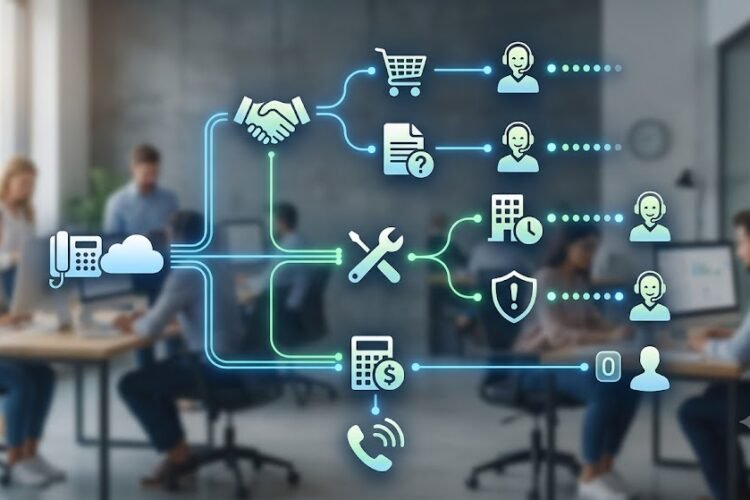
Hiring a full-time operator just to route calls is an added expense. Modern IP EPABX systems come with built-in IVR capabilities. A professional “Press 1 for Sales” menu ensures callers reach the right department instantly, reducing call hold times and improving the customer experience without adding to the payroll.
Unified Communications and Remote Work
In 2026, the office is no longer a single physical location. Modern IP PBX systems for hybrid work allow employees to use their office extension on their smartphones via mobile apps. This eliminates the need for expensive mobile reimbursements and ensures that “work from home” doesn’t mean “work from a high-cost personal line.”
Step-by-Step: How to Reduce Monthly Phone Bills Using IP EPABX VoIP Integration
If you are ready to make the switch, follow this roadmap to ensure maximum savings:
Audit Your Current Communication Expenses
Look at your bills from the last six months. Identify where the bulk of the costs are coming from. Is it international calls? Landline-to-mobile charges? Or just the sheer number of fixed line rentals? Knowing your pain points helps you configure your IP EPABX to target those specific costs.
Choose a Scalable IP PBX Solution
Whether you are a startup or a large enterprise, scalability is key. For small offices, you might look for best IP EPABX installers in Coimbatore who can set up a system that grows with you. Choosing a system like the NEC SL2100 provides a robust foundation that supports both analog and digital needs.
Implement SIP Trunking
SIP (Session Initiation Protocol) trunks replace traditional phone lines. They are virtual lines that allow you to make and receive calls over the internet. SIP trunking is significantly cheaper than traditional PRI lines and offers better flexibility in terms of “pay-as-you-go” models. You can even learn how to configure SIP trunks on Grandstream IP PBX to take full control of your setup.
Maintenance: The Secret to Long-Term Savings
A system that isn’t maintained will eventually become a liability. To ensure you continue to save money, you must keep your infrastructure optimized.
Regular Firmware Updates
Manufacturers frequently release updates that improve voice compression algorithms. Better compression means using less bandwidth for the same call quality, which can prevent you from needing to upgrade your internet plan. Refer to an ultimate EPABX system maintenance checklist to stay on top of these tasks.
Security Audits to Prevent Toll Fraud
One of the fastest ways to see a spike in your bill is through “toll fraud,” where hackers gain access to your PBX to make international calls. Ensuring your IP EPABX security is configured with strong passwords and firewall rules is essential to protecting your savings.
Comparing Costs: Is the Investment Worth It?
Many business owners hesitate because of the upfront cost of IP hardware. However, when you look at the Total Cost of Ownership (TCO), the IP EPABX wins every time.
| Feature | Traditional PBX | IP EPABX with VoIP |
| Monthly Line Rental | High (Per Line) | Low (Single Internet Link) |
| Local Calls | Standard Rates | Free (within network) |
| Long Distance | Expensive | Drastically Reduced |
| Maintenance | Requires physical technician | Often Remote/Software-based |
| Scalability | Hard (requires new wiring) | Easy (software license/IP link) |
For a detailed breakdown, you might want to look at the IP PBX price for 20 users to see how quickly the system pays for itself.
Specialized Solutions for Call Centers
If your business revolves around high-volume calling, the savings from VoIP integration are magnified. By utilizing VoIP call center solutions, you can take advantage of Least Cost Routing (LCR). The system automatically chooses the cheapest possible path (GSM, SIP, or PSTN) for every outgoing call.
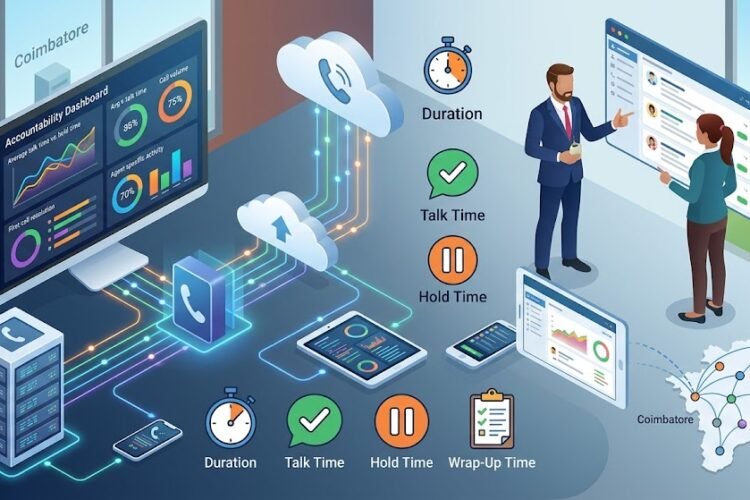
Furthermore, integrating your phone system with a CRM ensures that agents don’t waste time dialing numbers manually, reducing call duration and increasing the number of successful interactions per hour. You can explore IP PBX systems with CRM integration to see how this impacts your bottom line.
Real-World Success: Reducing Costs by 40%
We have seen businesses in the manufacturing and service sectors achieve incredible results. For instance, by switching to a modern setup, many have reduced communication costs by 40%. These savings aren’t just theoretical; they are the result of eliminating redundant hardware and leveraging the global reach of the internet.
Common Questions About IP EPABX and VoIP Savings (FAQs)
How much can I expect to save by switching to VoIP?
Most businesses see a reduction of 30% to 60% in their monthly bills. The exact amount depends on your call volume, especially international and mobile-bound traffic.
Do I need to change all my existing office phones?
Not necessarily. By using FXS Gateways, you can connect your existing analog phones to a new IP EPABX system, allowing for a phased transition.
Will call quality suffer if I use the internet for voice?
With a stable internet connection and proper configuration of IP phones for crystal clear calls, VoIP quality is often superior to traditional analog lines.
Is IP EPABX difficult to maintain?
Actually, it’s often easier. Since the system is network-based, many issues can be resolved remotely by your EPABX service provider.
Can I keep my existing phone numbers?
Yes, through a process called “Number Porting,” you can usually move your existing numbers to a SIP provider, though the availability depends on your local service provider’s policies.
Final Thoughts on Future-Proofing Your Business
The question is no longer if you should switch to IP telephony, but when. Every month you stay on a traditional system is a month of wasted budget. By understanding how to reduce monthly phone bills using IP EPABX VoIP integration, you empower your business with a tool that is not only cheaper but significantly more powerful.
Whether you are looking for Matrix EPABX dealers in Coimbatore or need a custom cloud-based setup, the journey toward better communication and lower costs starts with a single step: upgrading your infrastructure today.