In the rapidly evolving landscape of 2026, business communication is no longer just about making phone calls; it is about connectivity, data integration, and seamless collaboration. If you have been searching for ways to modernize your office, you have likely encountered the term “IP EPABX.” But what does it actually mean, and why is it becoming the standard for modern enterprises?
In this guide, we will break down the technology behind these systems, address common pain points, and explore how upgrading your infrastructure can transform your business operations.
Understanding the Basics: From Analog to Digital
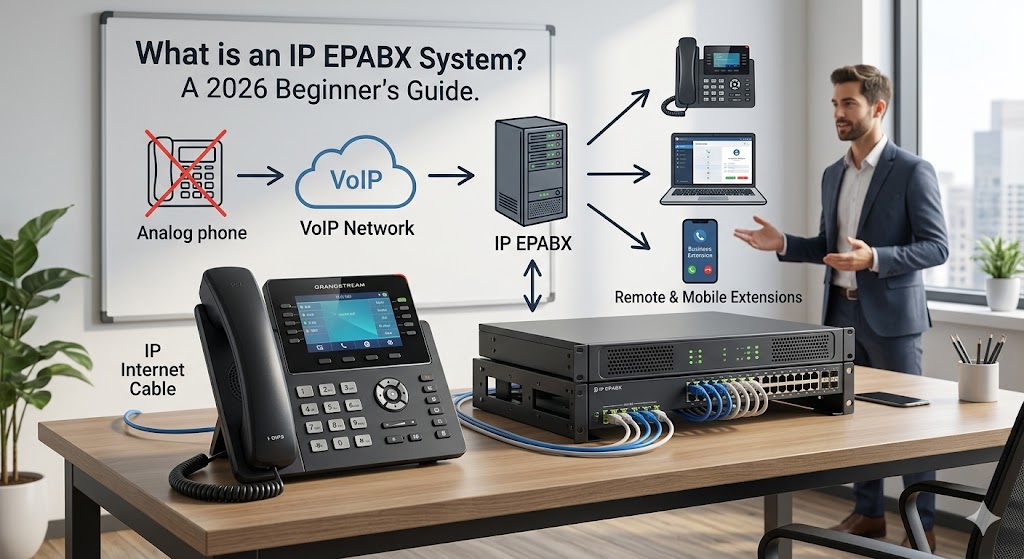
To understand an IP EPABX (Internet Protocol Electronic Private Automatic Branch Exchange), it helps to look at where we started. Traditional PBX systems relied on physical copper wires and circuit-switched technology. While reliable for decades, they are rigid and expensive to scale.
An IP EPABX, by contrast, uses VoIP (Voice over Internet Protocol). Instead of sending voice signals over dedicated telephone lines, it breaks your voice into data packets and sends them over your existing internet connection. This is the cornerstone of modern business communication, allowing for features that were once reserved only for massive corporations.
Common Pain Points in Business Communication
Before diving deeper, let’s address the challenges that many business owners face today:
-
High Operational Costs: Are your long-distance and international call bills eating into your profit margins?
-
Scalability Issues: Does adding a new phone line require a technician to physically rewire your office?
-
Limited Mobility: Are your employees tethered to their desks to receive important business calls?
-
Maintenance Headaches: Is managing a legacy, proprietary hardware system becoming a financial and technical burden?
If these points sound familiar, you are experiencing the limitations of outdated hardware. The good news is that transitioning to an IP-based EPABX system is designed specifically to solve these bottlenecks.
How an IP EPABX System Works
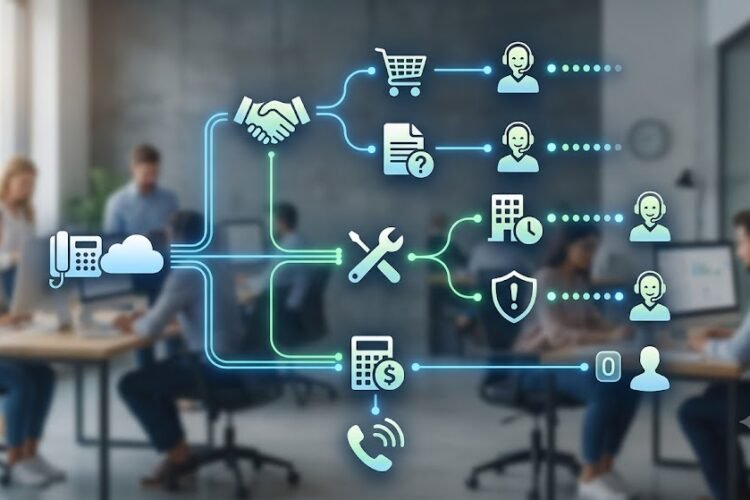
At its core, the system acts as a digital switchboard. When you dial a number, the IP EPABX determines whether to route the call via the public switched telephone network (PSTN) or over the internet.
Key Components of Your Setup
-
The IP PBX Server: This is the brain of the operation, which can be an on-premise hardware appliance or a virtual cloud-based instance.
-
IP Phones: Unlike traditional analog phones, these are essentially computers designed for voice. They connect directly to your network switch.
-
Softphones: Perhaps the most game-changing aspect for 2026—these are applications that turn your laptop or smartphone into a business extension.
-
SIP Trunking: The digital bridge that connects your internal system to the outside world, replacing costly traditional PRI lines.
For those curious about the setup process, you can explore a step-by-step guide to setting up an IP EPABX to see how streamlined the installation has become.
The Benefits of Modernizing in 2026
The shift toward IP telephony is not just a trend; it is a necessity for hybrid work environments. Here is why businesses are making the switch:
Flexibility and Mobility
With an IP EPABX, your extension follows you. Whether you are working from a home office, a client site, or traveling, your mobile app keeps you connected to the office network. This makes remote work essentials a reality rather than a challenge.
Advanced Features as Standard
Modern systems come bundled with enterprise-grade features that used to cost a fortune:
-
Auto-Attendant/IVR: Give your business a professional image with customizable voice menus.
-
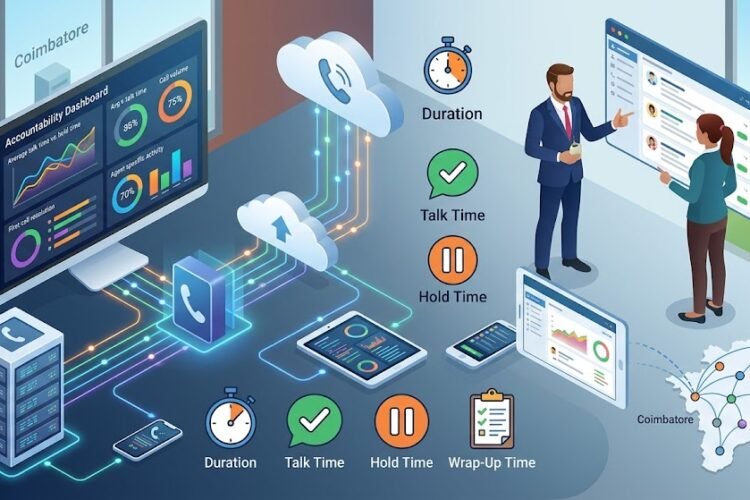
Call Recording: Ensure quality assurance and compliance for customer support centers.
-
CRM Integration: See who is calling with a screen pop-up that pulls up the client’s information instantly.
Cost Efficiency
Because your calls travel over the internet, the cost per call drops significantly, especially for long-distance communication. You can see real-world results in studies like how Hitech Solutions reduced communication costs by 40%.
Choosing the Right Infrastructure: On-Premise vs. Cloud
One of the most frequent questions we get is: “Should I go with a physical box or the cloud?” The answer depends on your business size and internal IT capabilities.
On-Premise IP PBX
You own the hardware. This gives you complete control over your data and security. It is often preferred by larger organizations or industries that require end-to-end encryption for financial firms.
Cloud-Based IP PBX
The provider manages the hardware in a data center. You simply pay a subscription. It is perfect for small-to-medium businesses that want minimal maintenance and maximum scalability. You can read more about this in our comparison of cloud vs. on-premise IP PBX.
Security Considerations for IP Telephony
As you move your voice traffic to the internet, security becomes paramount. An unsecured system can be vulnerable to toll fraud or unauthorized access.
To protect your business:
-
Use Strong Authentication: Never use default passwords for your extensions.
-
Implement Firewalls: Ensure your IP-based EPABX is behind a robust firewall.
-
Regular Updates: Keep your firmware updated to patch any known vulnerabilities.
For a deeper dive, check out our guide on securing IP telephony and preventing toll fraud.
Frequently Asked Questions (FAQs)
Is an IP EPABX difficult to learn for employees?
Not at all. Most IP phones have a user interface similar to a smartphone. Once they learn the basic call handling (transfer, hold, conference), they find it much more intuitive than the clunky buttons on traditional phones.
Can I use my old analog phones with a new IP system?
Yes. You don’t necessarily have to throw away all your legacy equipment. By using an FXS Gateway, you can bridge the gap, allowing your old analog phones to function on the new IP network. Learn more about connecting analog extensions to IP-PBX.
What happens to my communication if the internet goes down?
Modern systems are resilient. You can configure failover settings where calls are automatically routed to a mobile number if your primary internet connection drops. For critical businesses, we recommend redundant network infrastructure.
How do I know if it is time to upgrade?
If you find yourself paying for extra lines that you don’t use, or if your employees are complaining about not being able to take calls outside the office, it is time. Look for the 10 signs to upgrade your traditional PBX.
Conclusion
Transitioning to an IP EPABX is more than just an IT upgrade; it is a strategic business move that enhances productivity, lowers costs, and prepares your company for the demands of the 2026 digital economy. Whether you are a small startup or a growing enterprise, there is a solution tailored to your needs.
If you are ready to take the next step or have specific questions about hardware like Grandstream or Matrix systems, our team is here to help guide you through the process.